

Simon Goodrich: Why this Census matters for Service and Strategic Design
As Census Night approaches, the Write DESIGNER campaign continues to encourage every working designer to identify their occupation accurately. Over the past several years, the DIA has worked alongside Simon Goodrich, co-founder of Portable, Dr Laura Kostanski, and hundreds of practitioners across Australia to build the case for the rapidly growing occupations of Service Designer and Strategic Designer to be formally recognised within Australia's occupation classification framework. That's why this year's Census is such an important moment for these professions. If you're a service designer or strategic designer, identifying your occupation accurately will help build the evidence supporting future recognition. With Portable's work featured in the Write DESIGNER campaign film, we spoke with Simon about why this next chapter for the profession matters.
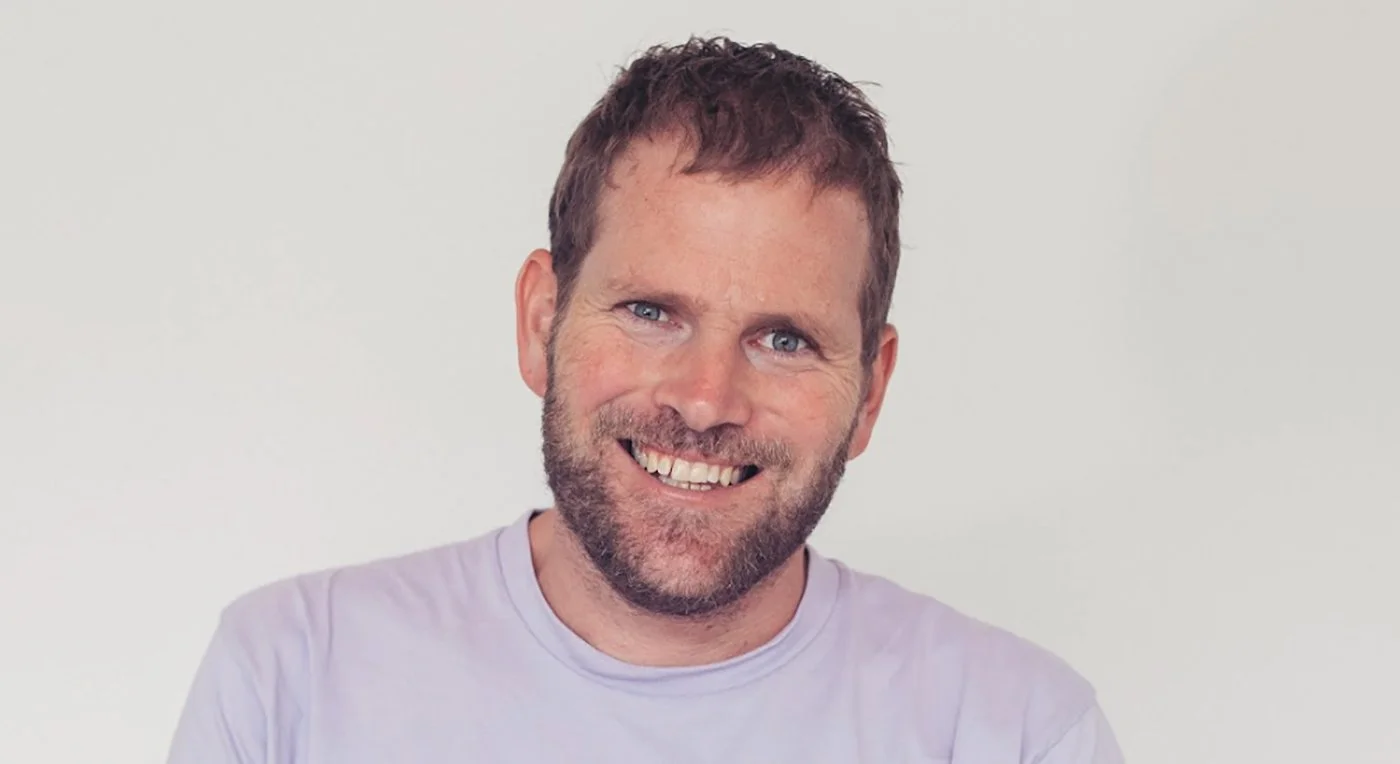
Simon Goodrich.
Q: Service design and strategic design have become integral to how organisations innovate and solve complex problems. How have you seen these professions evolve over the past decade, and why do they deserve recognition as distinct design occupations?
S.G:I think organisations of all sizes, from small businesses to large, complex organisations across the corporate, government and not-for-profit sectors, have recognised the role design can play in helping solve the inherent challenges that come from operating within complicated and competing environments. This applies both internally, in improving operations, and externally, in how organisations engage with their audiences.
By taking a design-led approach, we can bring clarity to complex problems and achieve alignment among stakeholders, from senior leadership through to those on the front line, enabling organisations to solve problems more effectively. Over the past fifteen years, we've seen designers increasingly brought into organisations to support and drive change for the future. Design is now recognised as a legitimate tool and process for creating meaningful, lasting impact.
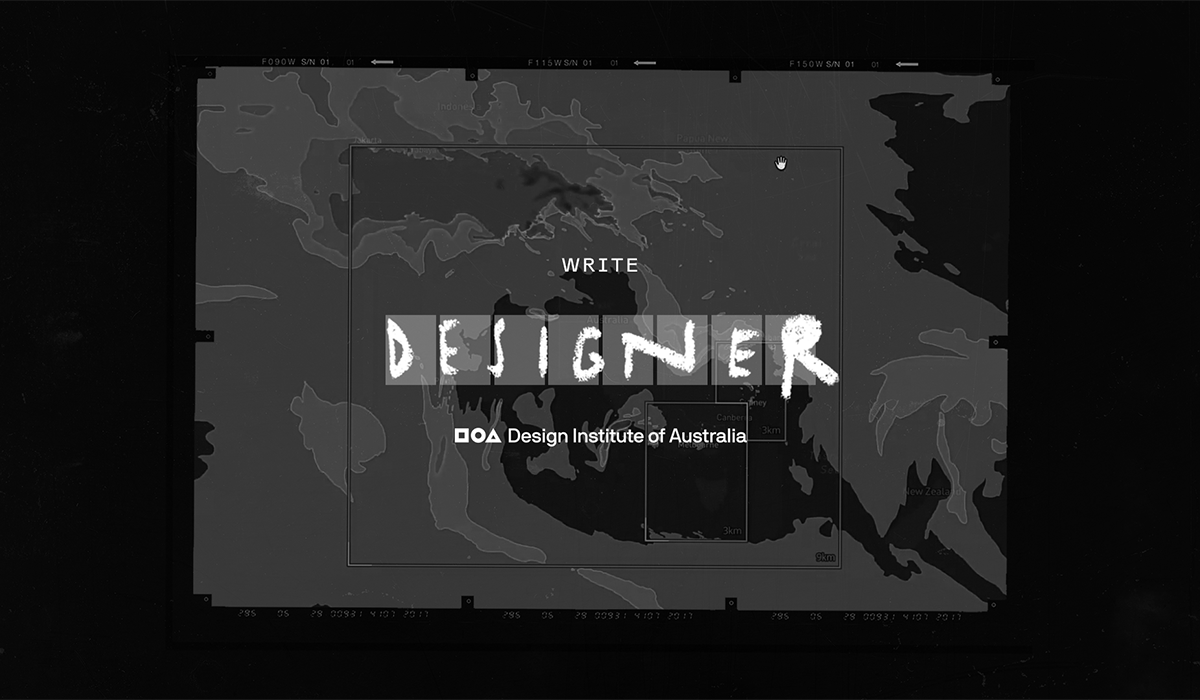
Portable (design studio) Air Quality Visualisation (AQVx) visualisation tool, 2025. Project partners: Commonwealth Scientific and Industrial Research Organisation (CSIRO), Victorian Department of Energy, Environment and Climate Action, and University of Tasmania. Image courtesy © Portable.
Q: Alongside Dr Laura Kostanski, you've worked closely with the DIA over several years to help shape the advocacy for recognising service designers and strategic designers within the Australian Bureau of Statistics new classification framework (OSCA). In brief, what does such advocacy look like?
S.G: Advocacy means taking the time to engage with the sector to understand how designers view their profession and how they define the role of their occupation. Some of this work is in the weeds, articulating exactly what we do, and that's a good thing because it helps define who we are, what we do, and equally, what we're not.
In conversations with non-designers, there's consistent recognition that what we're trying to do is bring greater clarity and definition to our design occupation while addressing long-standing frustrations and inconsistencies. Service design and strategic design go beyond management consulting, just as they are not solely creative pursuits; they represent a distinct design profession with their own unique contribution.
Through our engagement with the sector, where we've heard from more than 500 service and strategic designers, studios and educators, there's been consistent recognition of the ability of service and strategic designers to transform organisations, improve services and create better outcomes. Through our advocacy, we're keen for that contribution to be better recognised, better understood and more highly valued.
Q: While service designer and strategic designer are not yet recognised as distinct occupations within OSCA, every designer who records those titles in the 2026 Census helps build the evidence for future recognition. Why is this year's Census such an important moment for the profession?
S.G: This year's Census is so important because we've spent years working to strengthen the recognition of both the design profession as a whole and the vital role that service and strategic design play within it. Many people may not realise that the ABS's occupational classification framework had not been comprehensively updated for almost twenty years before the introduction of OSCA in 2024.
We've had strong support from service designers and strategic designers across the country, as well as from the ABS, to help articulate these fields of design practice. Collecting accurate Census data will provide a clearer picture of our profession and the contribution these disciplines make. Formal recognition brings much more than clarity, it creates the evidence base that informs education, workforce planning, skilled migration, government policy and future investment. This is critical for both today's designers and future generations.
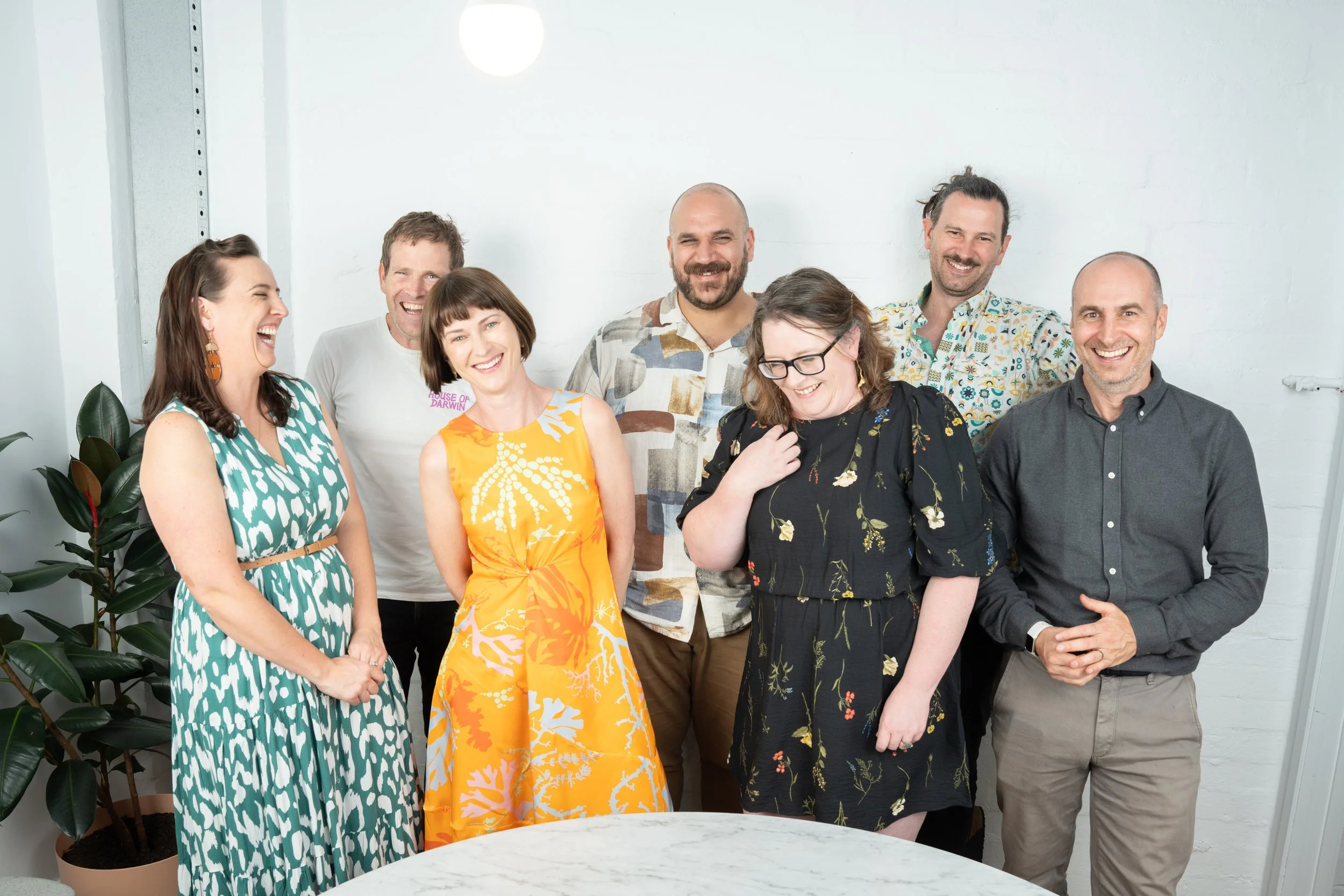
Portable, leadership team (left to right) Kathryn Foster, Simon Goodrich, Becky Leonhardt, Joe Sciglitano, Elly Beard, Anthony Daff and Andrew Apostola.
Q: Many people working in these fields also describe themselves as consultants, innovation specialists, transformation leads or experience professionals. What would you say to someone wondering whether they should write "Service Designer" or "Strategic Designer" on Census Night?
S.G: By identifying as a Service Designer or Strategic Designer, you're not only describing your occupation accurately, you're also helping ensure the value of design is recognised and counted. Terms such as "Consultant", "Transformation Lead" or "Innovation Specialist" describe a role, but they don't identify the profession that underpins your work. If design is your agent, it helps reveal opportunities, shift perspectives, navigate complexity, align people around a shared vision and goal, and create meaningful change.
Q: Looking ahead, what would formal recognition of service designers and strategic designers within Australia's occupation framework mean for the profession, for education, and for the future of design in Australia?
S.G: Formal recognition will give service designers and strategic designers a seat at the table. It means that when governments, businesses and educators are planning for the future, our professions are recognised as part of that conversation. It's only through this kind of advocacy and recognition that people become more aware of the role we play and the value design brings.
From there, we can provide greater insight into how we educate and train the next generation of designers, how the profession evolves, and how emerging technologies such as AI can support design practice. It also helps identify future skills needs, inform workforce planning, and ensure the sector receives the support it needs to continue growing and driving positive change across society.