

A Portrait of Practice
One of the highlights of Melbourne Design Week 2026, 100 Chairs, presented by Friends & Associates and supported by the Design Institute of Australia, brought together an extraordinary cross-section of established and emerging designers through a deceptively simple brief: the chair.
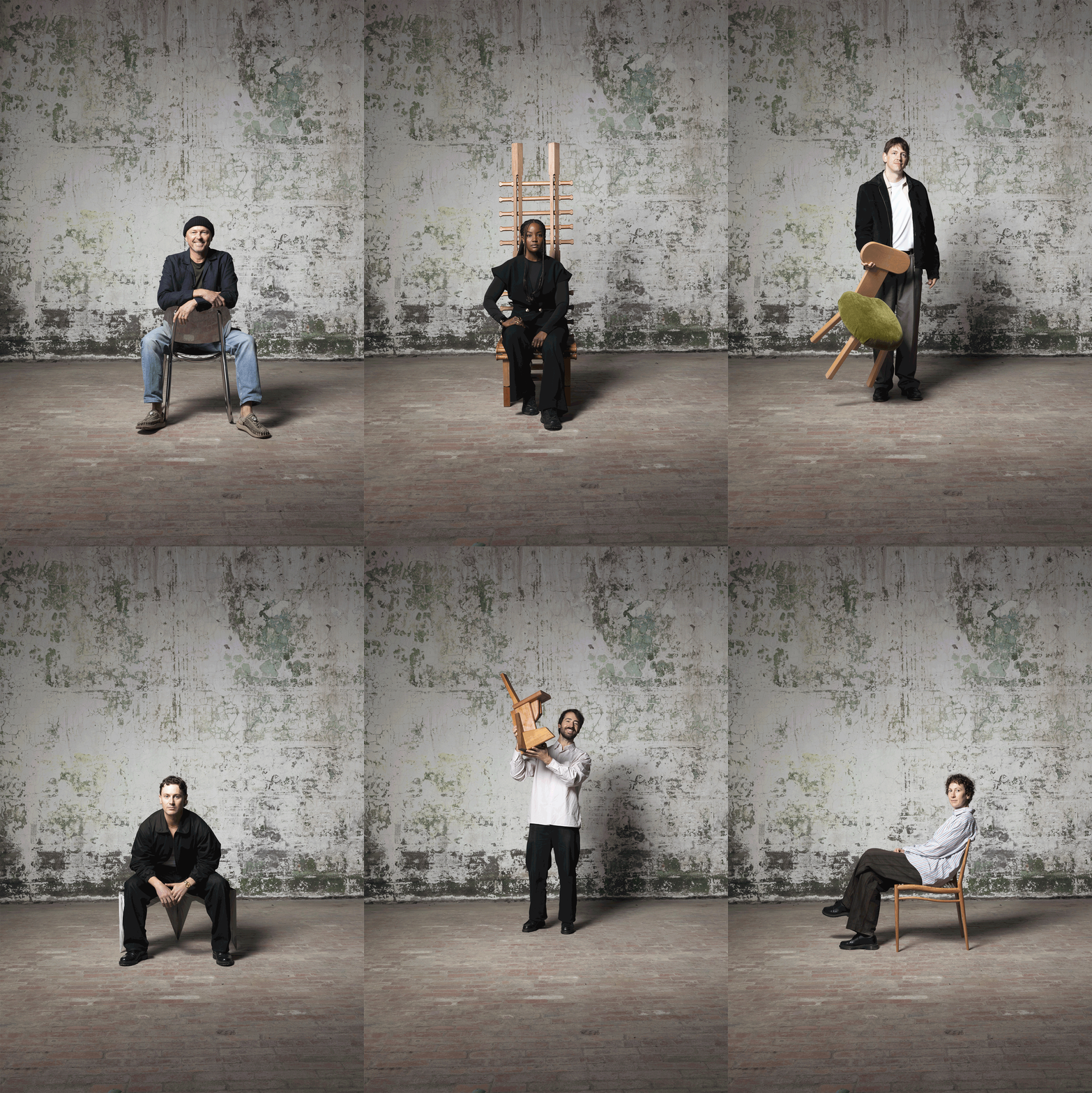
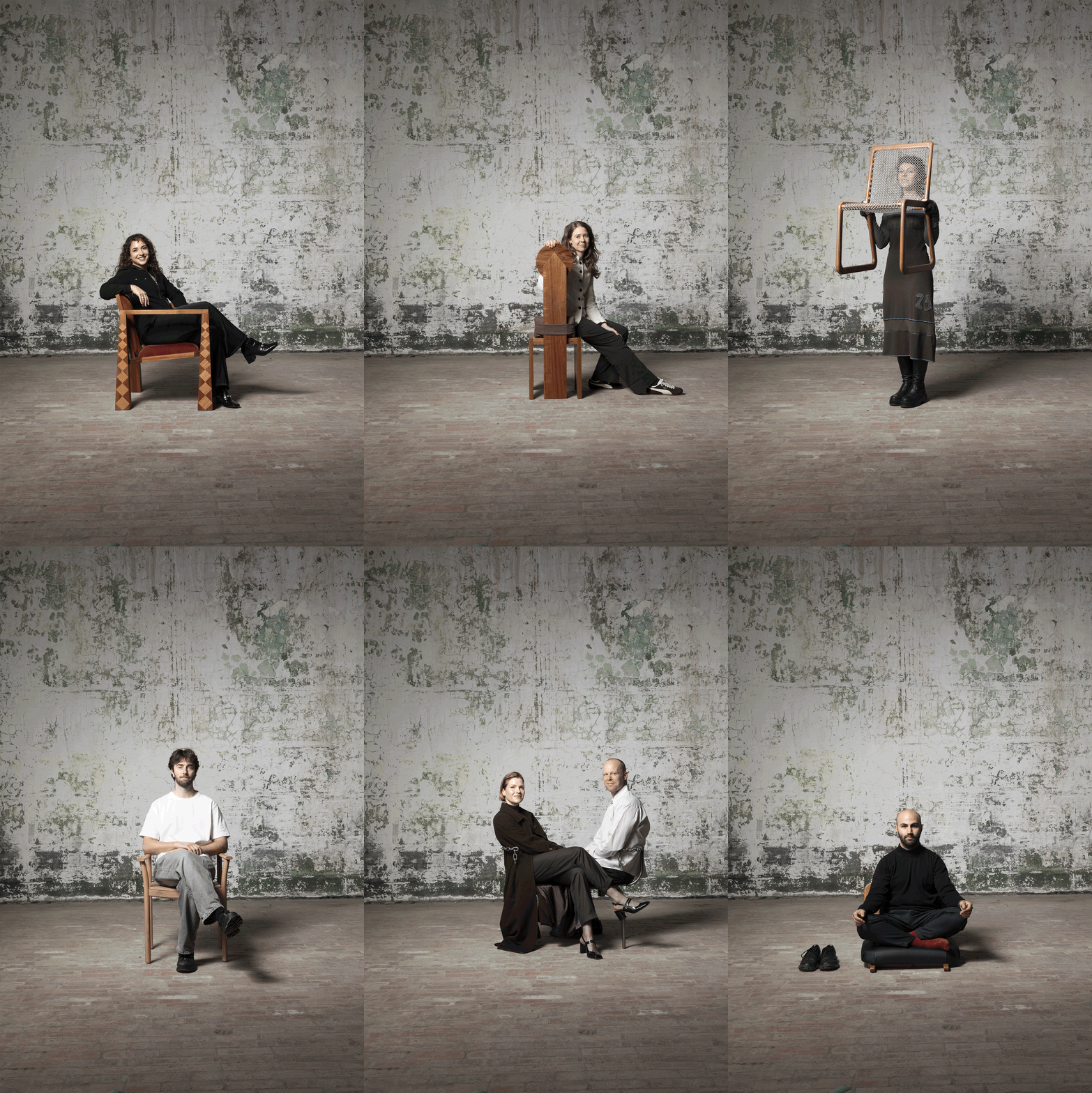
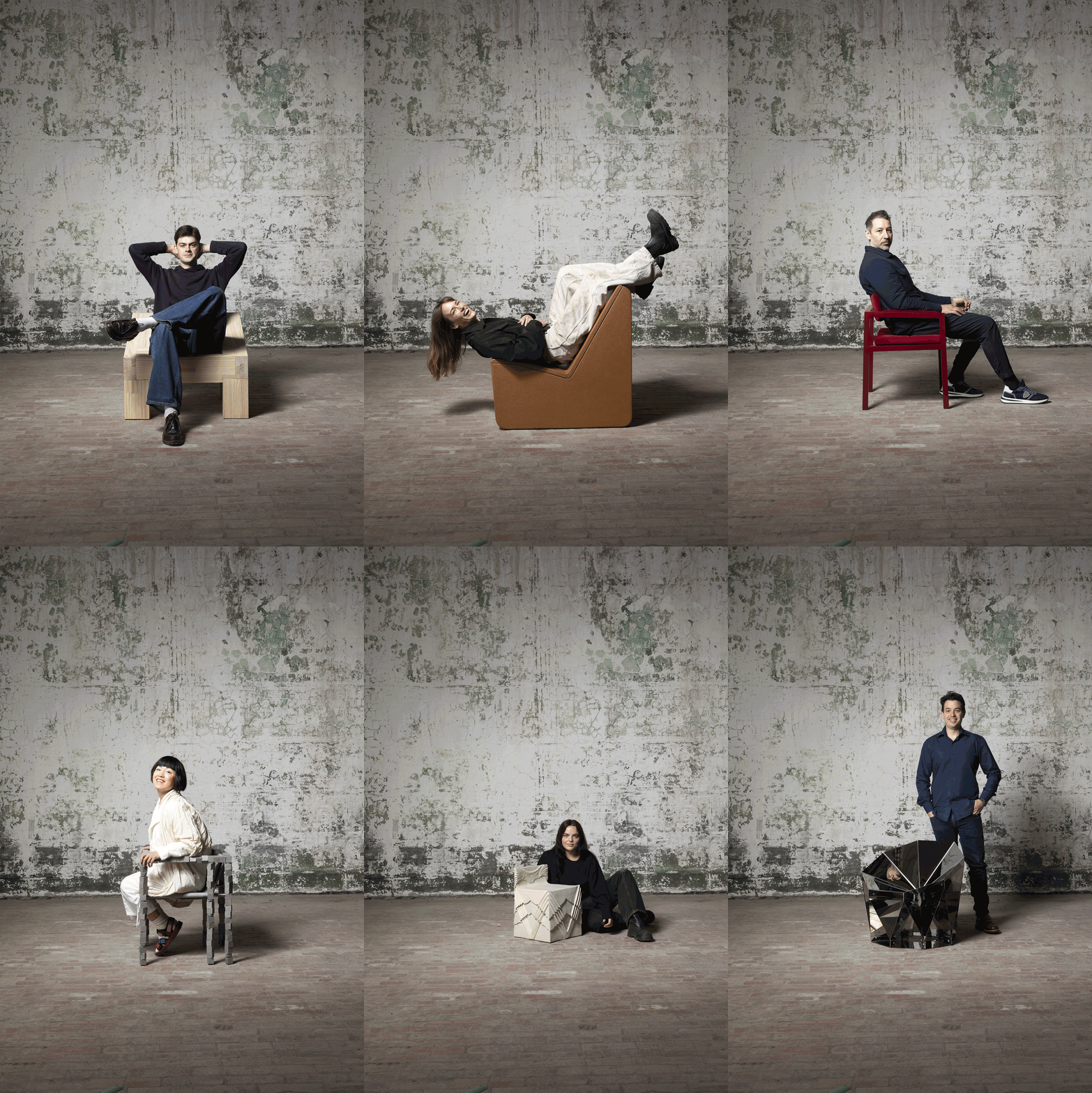
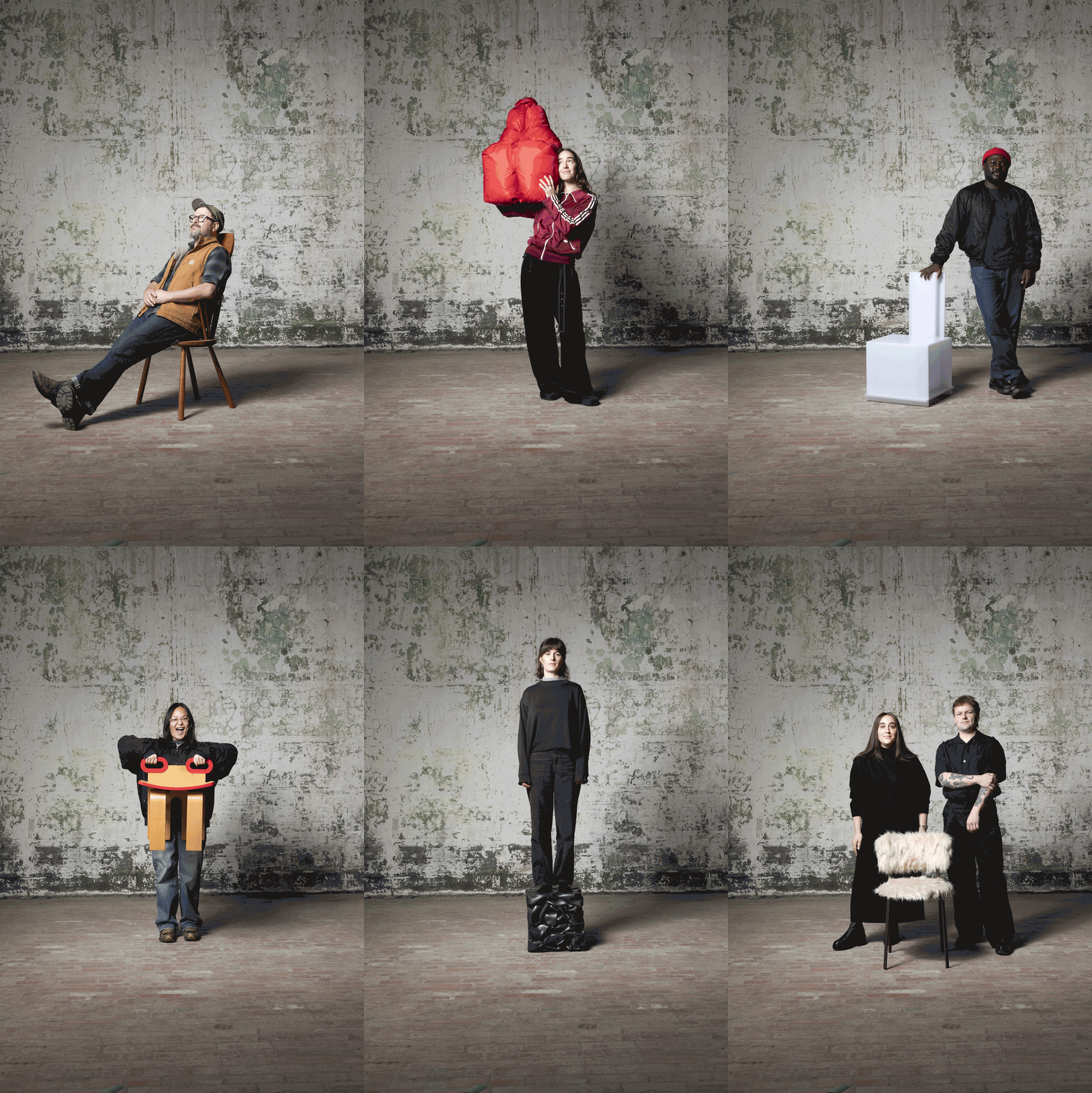
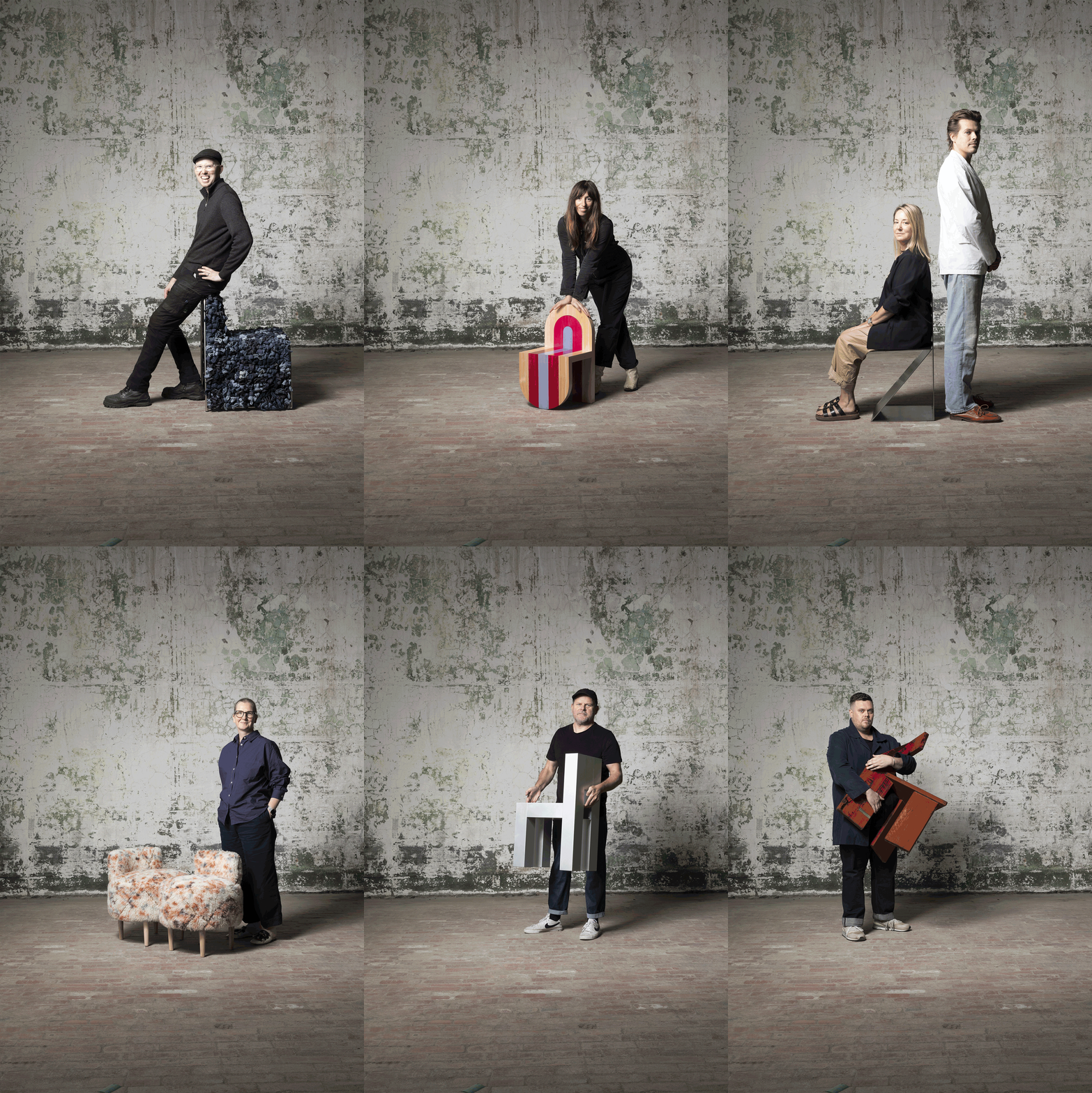
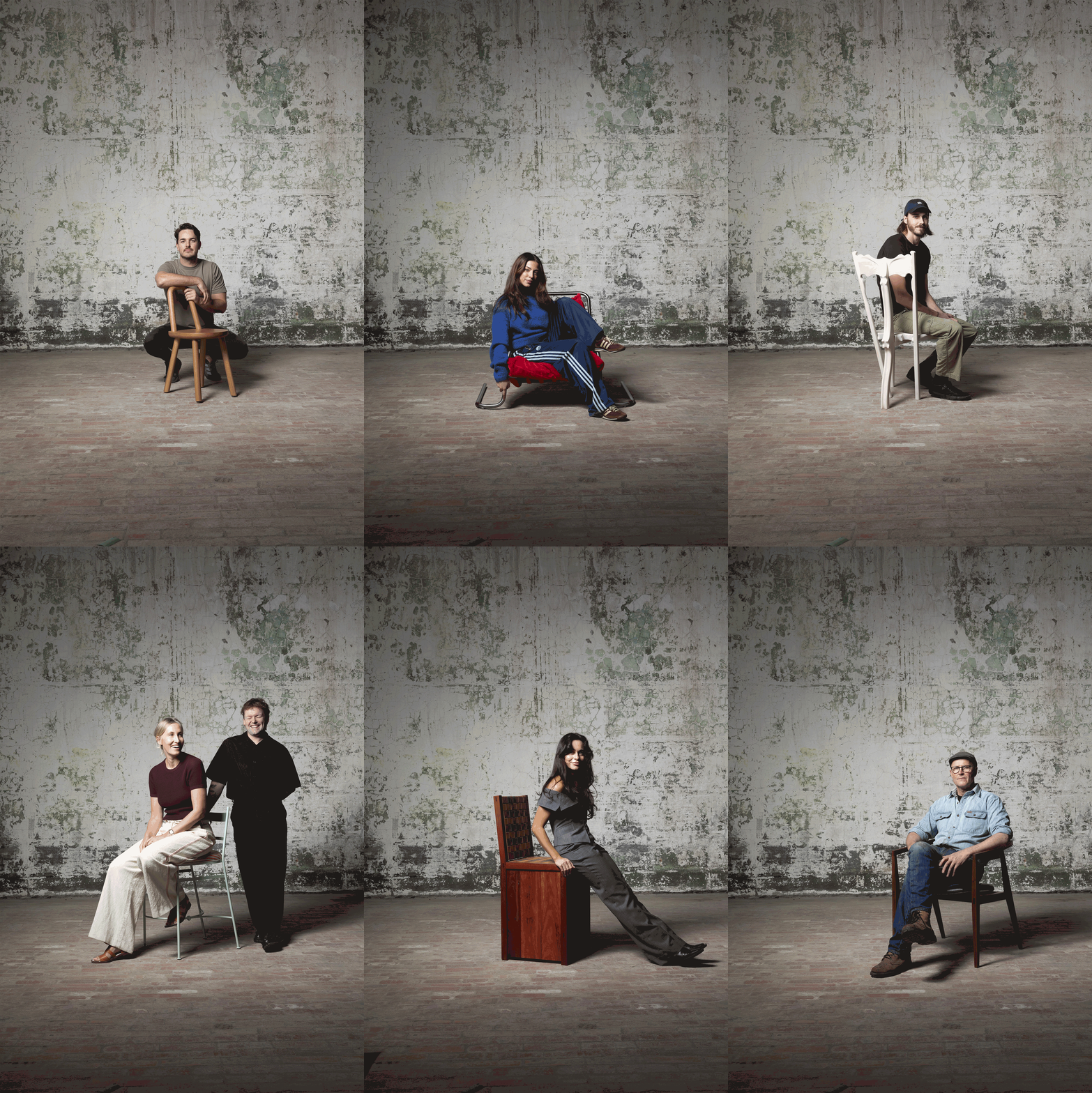
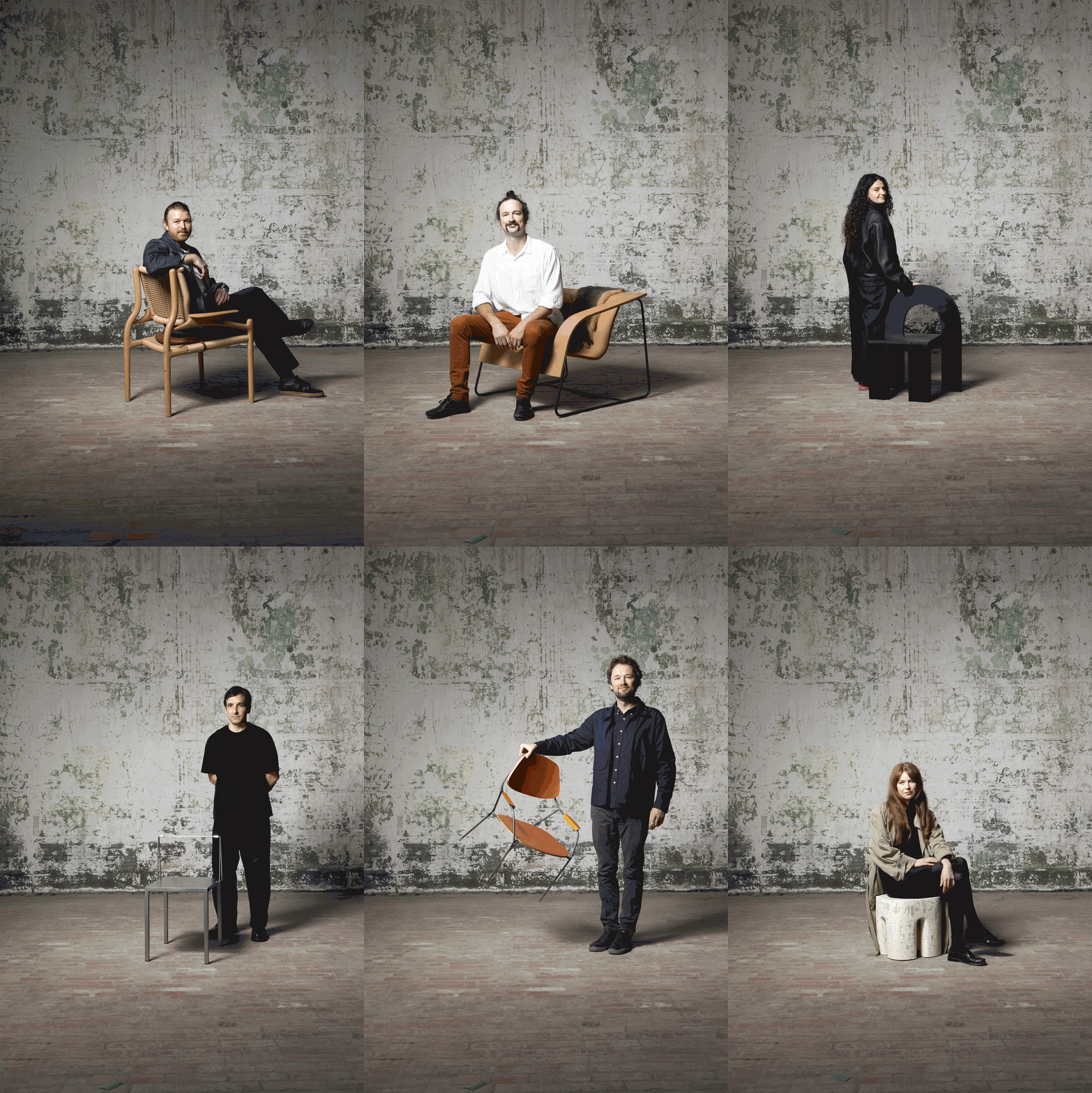
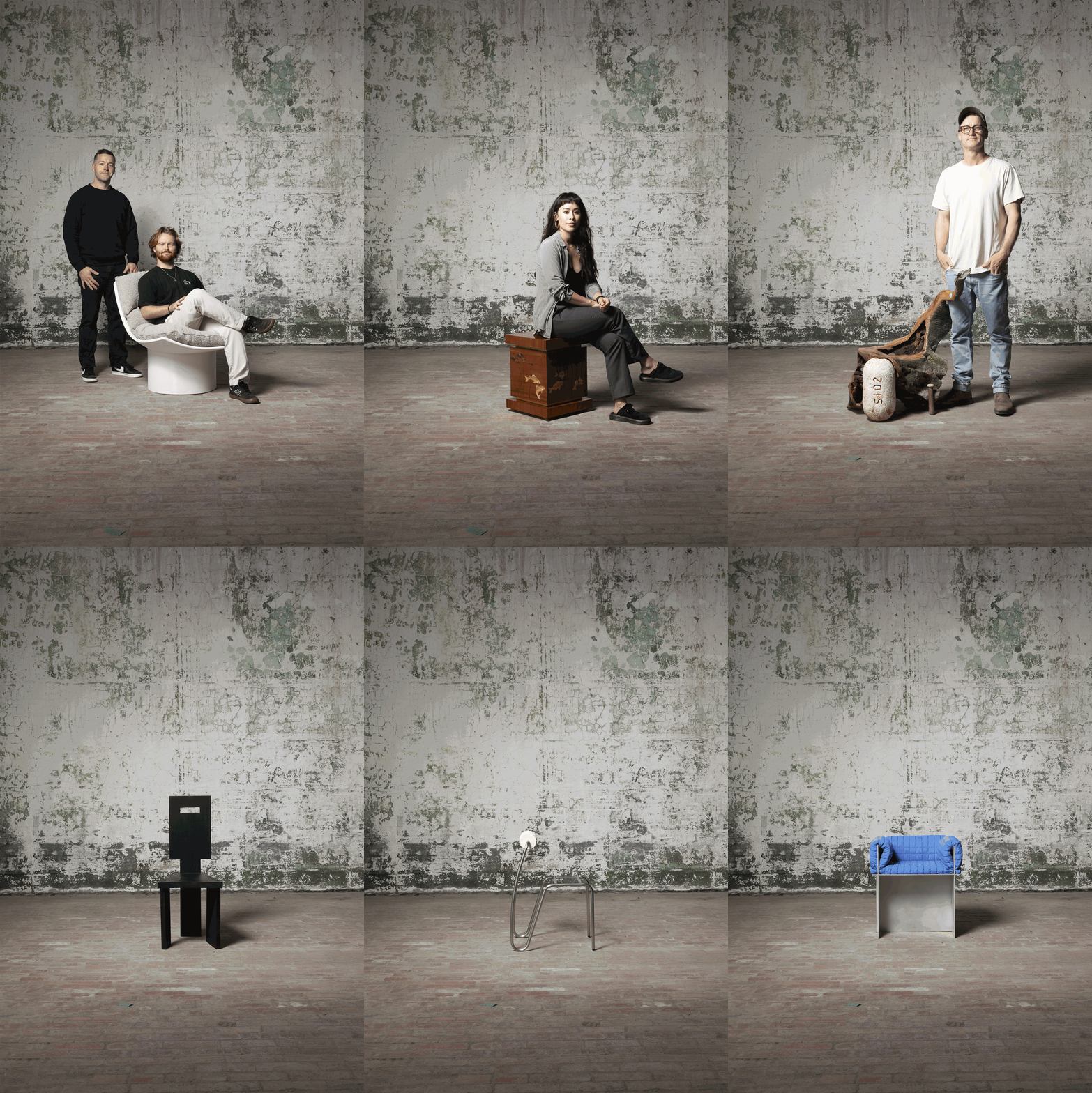
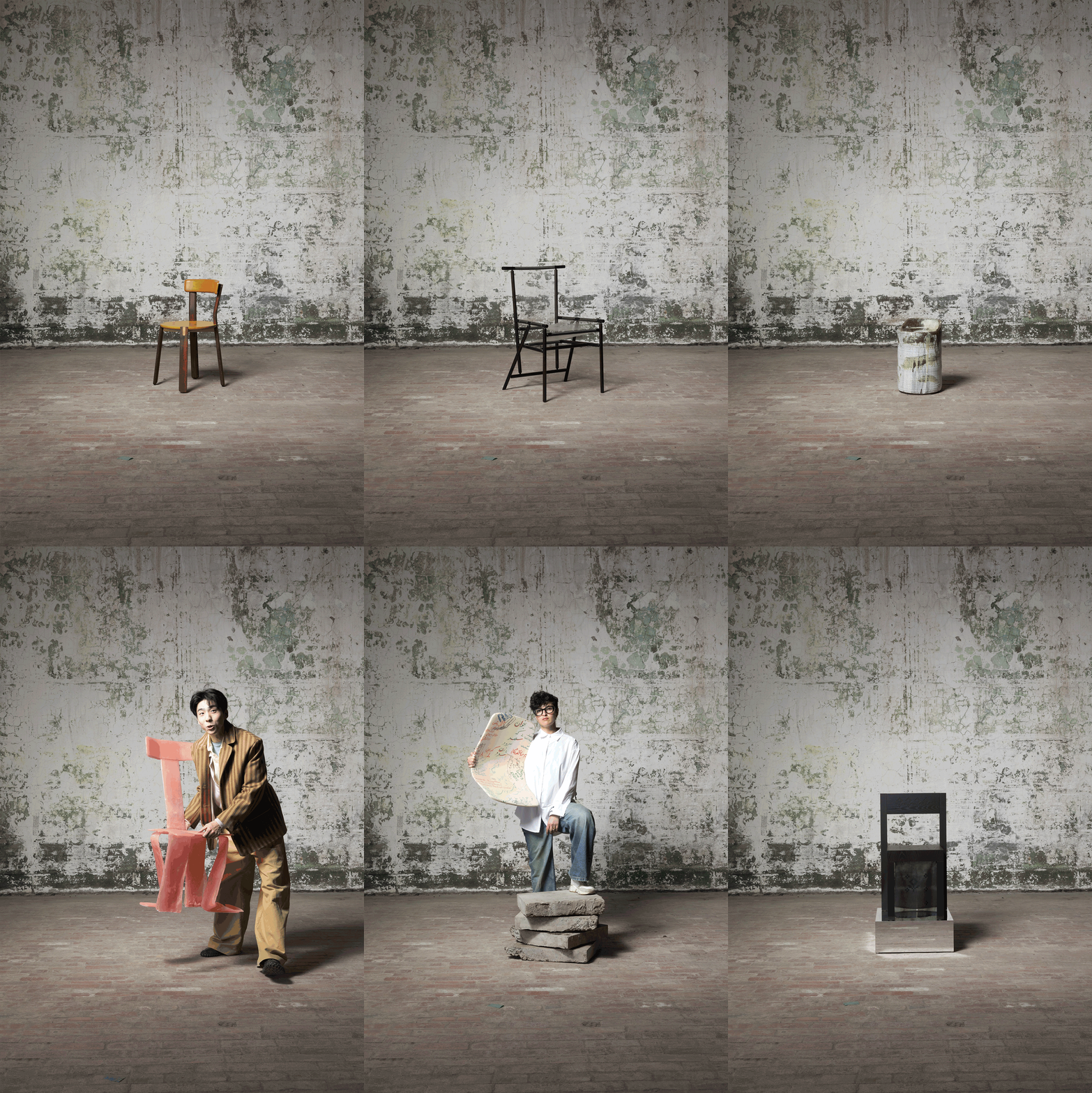
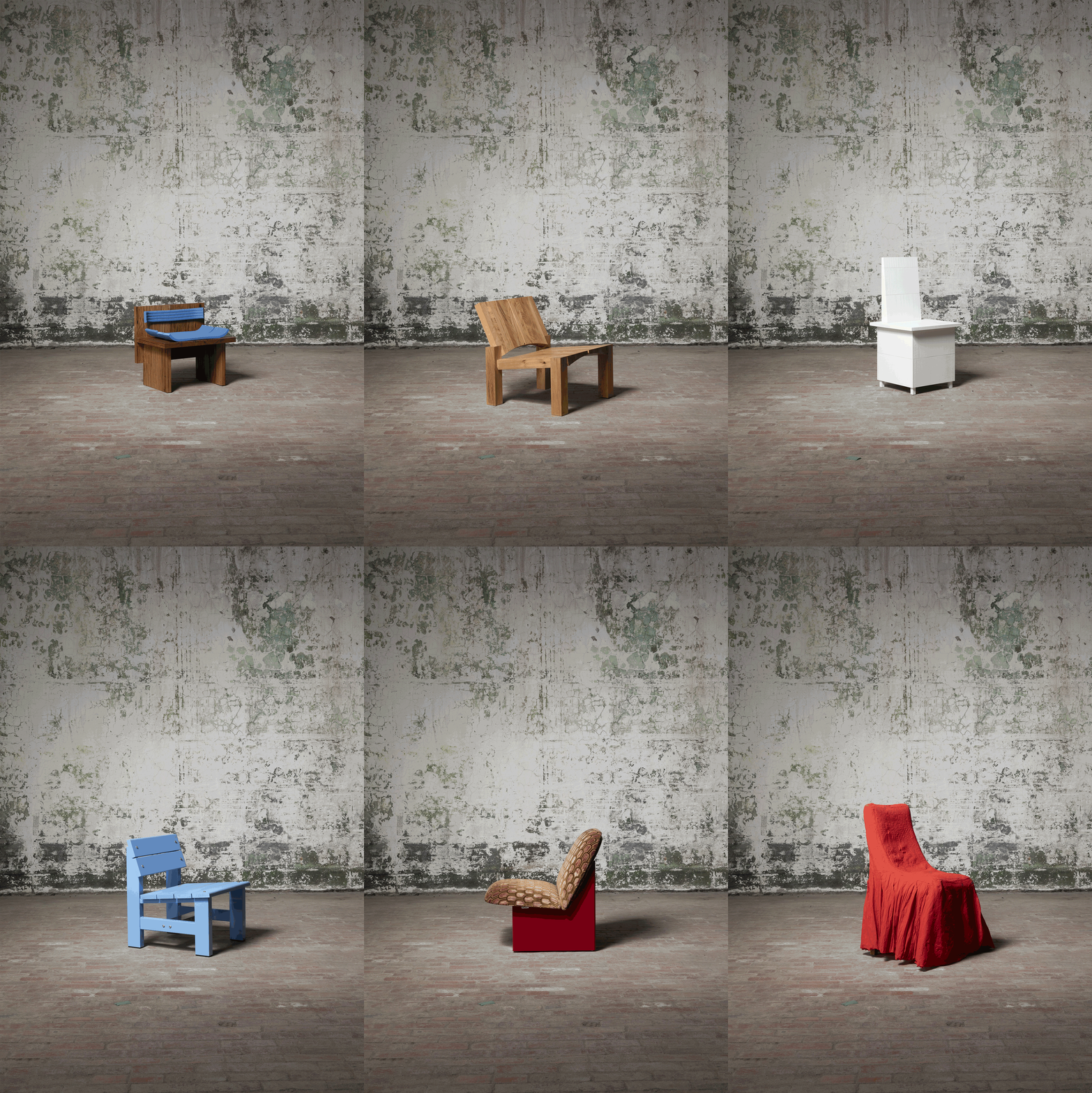
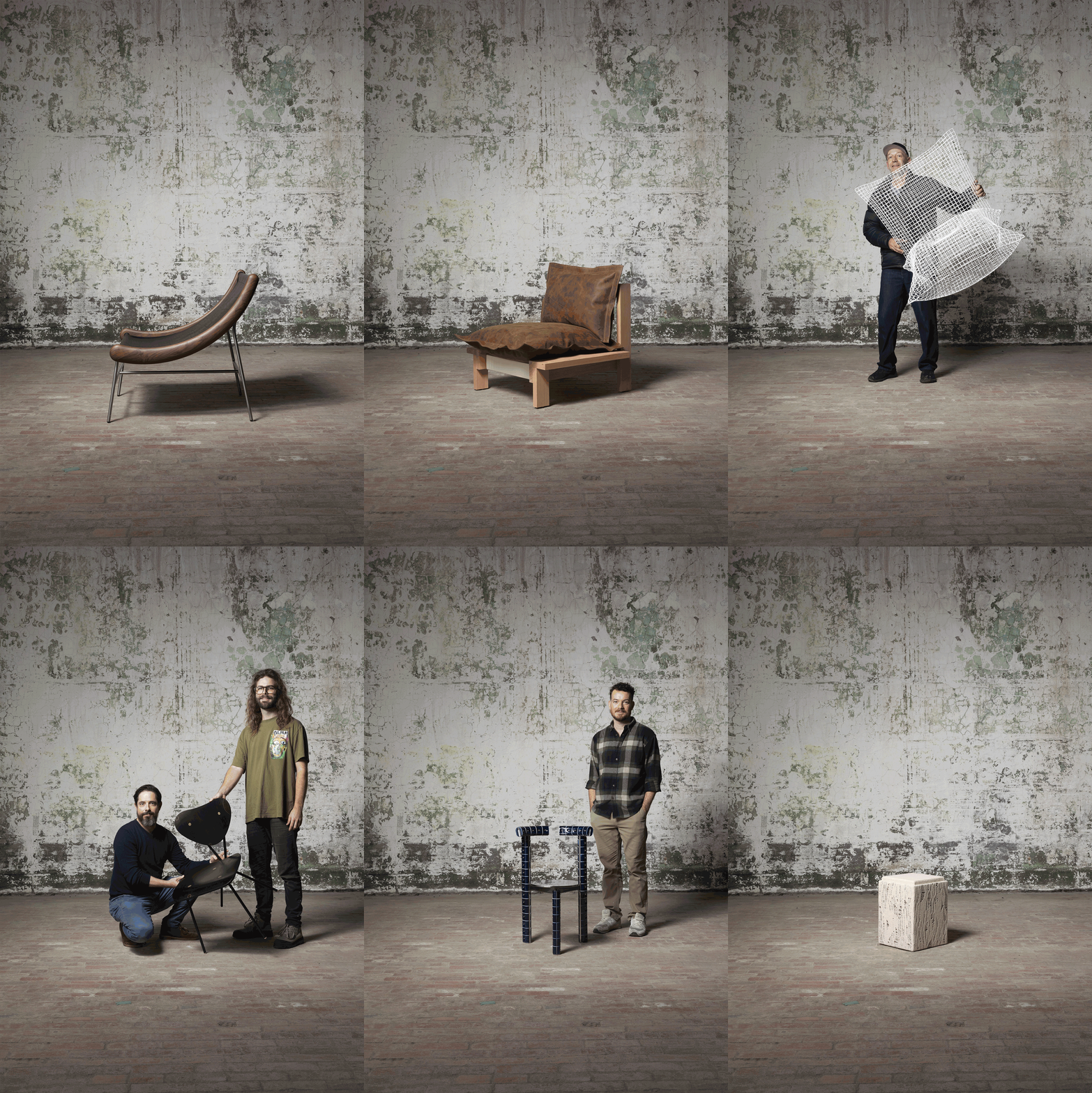
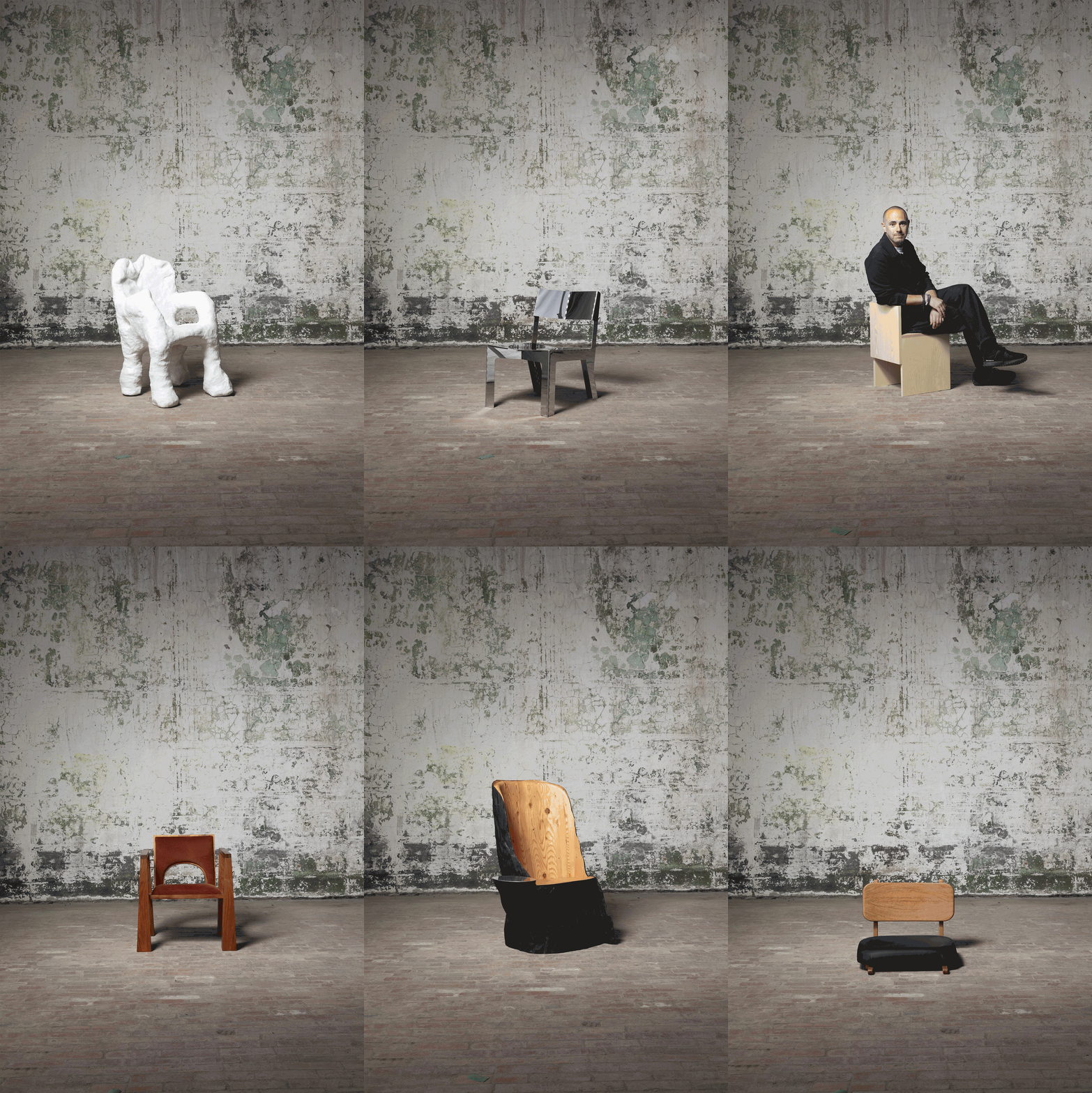
Extending the exhibition beyond the object itself, photographer Ingrid Rhule and creative director Ellen Keillar conceived 100 Designers, 100 Chairs: A Portrait of Practice, a remarkable photographic series pairing designers with the chairs they created. Part portrait, part archive and part social document, the project captures a unique moment in contemporary design culture, bringing into focus a community of practitioners gathered around one of Australia's most significant annual design events.
In this interview, Rhule, Keillar and Tom Skeehan of Friends & Associates reflect on authorship, identity, visibility and the power of photography to reveal the people, relationships and ideas that animate a vibrant design scene in real time.
The exhibition brought together more than one hundred chairs, but this photographic series expands the project into something much larger, a portrait of a design community. Was that always part of the ambition?
TS: Friends & Associates is less about exploring a single curatorial vision and more about creating a platform for designers to connect, participate and contribute. It is a project where emerging and established designers sit alongside one another equally. What Ingrid and Ellen captured through the portraits extended that idea further, creating a powerful snapshot of this moment in Australian design culture. Dale and I also understand the importance of properly documenting design work and building an archive around these projects, capturing the people and community of Melbourne Design Week and preserving the moment for others to experience later through photography, publishing and digital platforms.
What do these images reveal about this moment in practice, the values, personalities, ambitions and relationships that are shaping local design culture right now?
T.S: The images reveal a creative community that is independent, experimental and collaborative while also highlighting the diversity of approaches to design, materials and making that exist across Australia. What is interesting is how the images reveal how personal the works are. Some designers approached their chair through the lenses of craft and material research, others through humour and storytelling. The portraits also highlight something important about contemporary Australian design culture, which is that a lot of it is built on relationships, collaboration and people supporting each other to make things happen.
Portraiture traditionally seeks to reveal something about a person. In this project, every designer appears alongside a chair they have designed. What did you discover about the people behind the work?
IR: The series centres a dialogue between designer and chair. The chairs are an expression of the designer, and when you bring them together you reveal more on each subject. Often my favourite shots were the moments in between poses or when the designer were adjusting their chair. These images capture a tender moment of intimacy between maker and made.
Design culture often celebrates finished objects while the people behind them remain relatively invisible. Was part of the intention to make the designer visible and, in doing so, make the practice itself more visible?
EK: The exhibition had such a profound experiential impact – it was a visual feast. We saw the photography as a moment to celebrate this, to showcase both the chairs and reveal the humanity behind the creativity. In our social media saturated world, we see the same faces in design time and time again, this exhibition was an opportunity to make this diverse community of designers visible and represent a breadth and depth of practice, beyond the algorithm.
The project was photographed in a single day. What did that compressed timeframe bring to the portraits? Did it create a particular energy or sense of collective participation?
IR: We captured 113 works and 86 designers in 7 hours. That meant we had approximately 3.5 minutes for each designer and their chair. Ellen and I spent a considerable time planning the shoot which afforded us the comfort to work intuitively with the designers. The shoot reinforced that portrait photography requires a balance of emotional intelligence (softness) and creative direction. We had an incredible team Mark Harper and Chad Weerasighe who took care of technical which freed us up to work quickly and sensitively with the designers, reading their work and their personality to deliver an outcome that was commensurate to both.
Looking across the portraits, did you find that designers resembled their chairs in unexpected ways? Were there moments where the relationship between person and object became particularly revealing?
EK: The old saying that dogs look like their owners – turns out that chairs look like their designers. With Ingrid and I both having a design background we were really interested in the interaction between the designer and their chair and how this might extend the story of the work. We actively engaged with poses to revel in, or reveal particular formal, conceptual or material qualities in conversation with the designer’s personality.
The photographs seem to ask a deceptively simple question: who designs the objects that shape our lives? Was there a desire to reconnect audiences with the human stories behind contemporary design?
EK: Yes, they are symbolic of the conversations of our time and the people who design and make them are the people who are shaping the fabric of our creative ecosystems here in Australia. Connecting audiences to the people behind the designs, many of which were handmade, is a powerful reminder of the individual and collective potential that exists when ideas are materialised in realised artefacts. Photographic documentation is an important part of revealing the story.
The series sits somewhere between portraiture, documentation and archive. Did you see it as a record of a moment in Australian design, or as an exploration of broader questions of authorship, identity and practice?
IR: The body of work sits between archival documentation and artistic inquiry. We sought to combine an archetypal furniture object – the chair with an archetypal photographic style – portraiture. Rather than authorship or identity it is more about authority and representation of Australian design.
100 Designers, 100 Chairs: A Portrait of Practice
Ingrid Rhule - creative director & photographer @florenceflorence_au
Ellen Keillar - creative director & producer @eskeillar
Mark Harper - lighting and technical director
Chad Weerasighe - technical support and video production
Kayell Australia & Boncolor - lighting equipment @kayellaustralia
Friends & Associates - exhibition curators @friends.associates
Melbourne Design Week 2026
14–24 May
South Magdalen Laundry
Abbotsford Convent, Abbotsford, Victoria
Melbourne Design Week is an initiative of the Victorian Government through Creative Victoria and delivered by the National Gallery of Victoria.
Exhibitors: Adam Goodrum Studio, Adam Markowitz Design, After Mood (Daniel Emma & Studio Gram), Alanna La Spina, Alexandra Hirst & Eric Cross, Alexandra Howie, Alexsandra Pontonio & Robin Boyd Foundation, Alona Klaro, Alterfact, Alyssa Nuttal, Amy Vidler, AND, Andrew Carvolth & Jon Goulder, Anne-Claire Petre, Arthur Koutoulas, Ash Allen / Overt.au, Återvinna, Barnabas Dean, Bel Williams & Claire Markwick-Smith, Bern Chandley, BIEËMELE, Blaklash & SKEEHAN Studio, Bolaji Teniola, Bridget Saville, Byron Smith, Carl Broesen Studio, CARL HØLDER, Cecil Studio, Charlie White, Comfort Zone (Dustin Fritsche & Beci Orpin), Composite Sydney & SKEEHAN Studio, Corbet, Curtis Bloxsidge & 2am close, Damien Wright, Danielle Brustman & K5 furniture. Made By Marfa Furniture, Dasha Tolotchkov, DAVIDOV, Dean Norton, Diana Wanjiru Kimari, Dowel Jones, DISORDINARY & HALF MEASURES, Dutoit, Duzi Objects, Elliat Rich in collaboration with Centre for Appropriate Technology, Era Forma, Filipe Brás, Foolscap & Alpha60, FrancoCrea, Fraser Greenfield, Geller Studio, Georgia Weitenberg, Georgie Szymanski, Gonz & Rina Bernabei, Heidi Chaloupka, hj-duo, Hugh Altschwager (Inkster), IF Architecture & Arthur G, Isabel Avendaño Hazbún, Jack Techie & Liane, James Walsh, Jax Plumley, JDLee Furniture, Jess Humpston, Jordan Conlan, Ka Ra Studio, Kanee Kana, Kate McCollam, Kelly Thompson, La Liebre / Tanja, Locki Studio, Lukas Fong, Mackenzie Chrimes, Makushla Harper, Marcel Sigel, Maryanne Moodie & Minnow Glass & Trouthouse, Matthew Tambellini & Holly White, Melvin Josy, Mohammad Enjavi Amiri, Molly Younger, Nadine Al Irani, Nicholas Johnston, Nick Found, Field & Found, Chairmakers., Oliver Wilcox, Oliver Young, OLIVIAKL, Paloma Padovan, Patryk Koca, Pearson Bulmer & Street Furniture Australia, Postie & Sundance Studio, Remy Pajaczkowski-Russell, Rhea Nagi, Richard Greenacre, RK Collective & Parisima Kouklan, Roslyn Campbell, Sabu Studio, Sally Caroline & Space-man Studio, Samantha Iliov, Sara Mourad, SARAH ELLISON & AVANT MATER, Saturday Yard Work, Shareen Joel & Harrison Mark, Simon Colabufalo, Stephen Soeffky & Guy Keulemans, Studio Adeney, Studio Backcountry, STUDIO ECLECT, Studio Nika, Studio Shields, Tait, Tait Design Studio, TERMS, Tim Meakins, Tom Jin, Trinket Solo (Megan McNeill), Vaughan Howard Architects, W.Burke Chairmaker, Wedge and Edge Studio, Yi Jun Kwa, Zenn Design & Space-man Studio, 陳鴻軒 Chan Hung Hin.