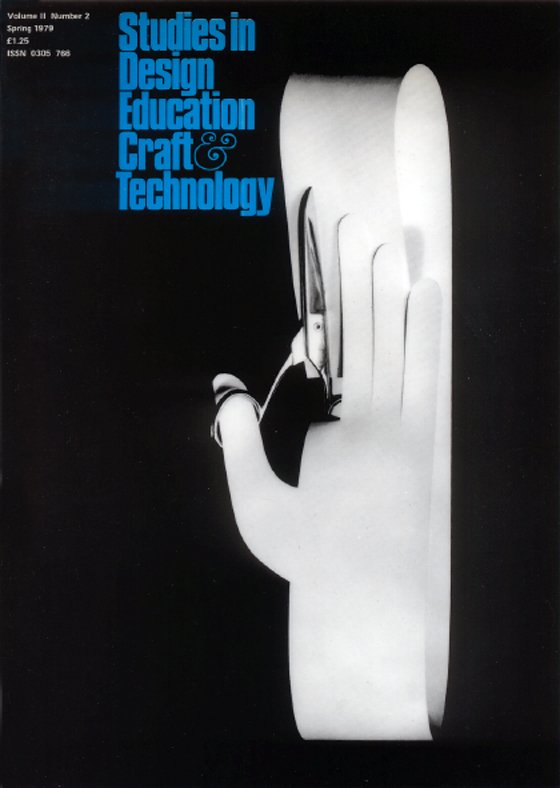
Vale Cal Swann
Typographer, author and design educator
25 March 1935 – 19 July 2026
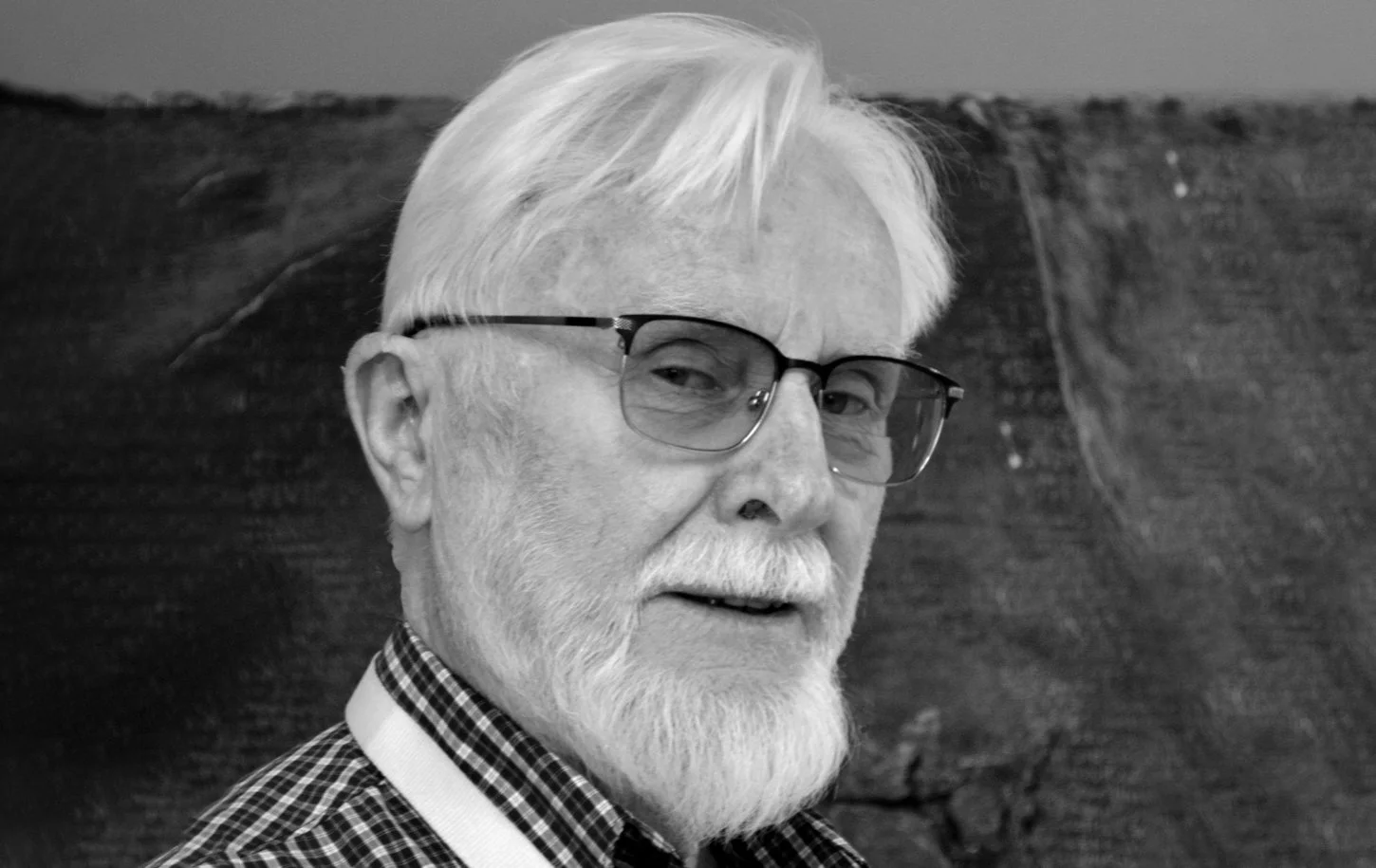
Cal Swann spent sixty years arguing that typography is not decoration applied to language, but part of how a message means - and taught two countries to design accordingly.
Cal Swann, who has died aged 91 years, was a typographer and educator whose working life ran from hot-metal composition to online teaching, and whose influence on graphic design education was felt as strongly in Australia as it was in Britain. He was inducted into the Design Institute of Australia’s Hall of Fame in 2025, recognising a career of more than fifty years spent in studios, lecture theatres and, latterly, in front of a screen full of students he would never meet in person.
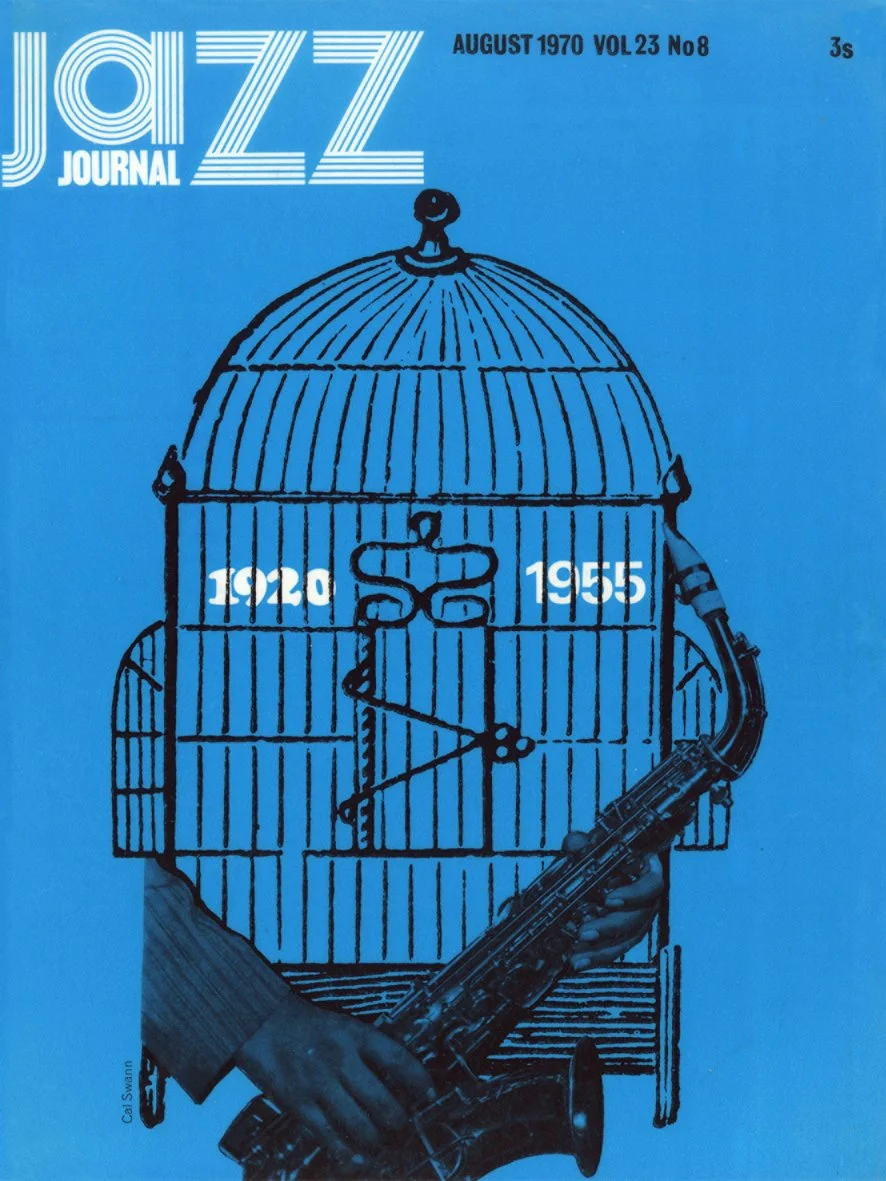
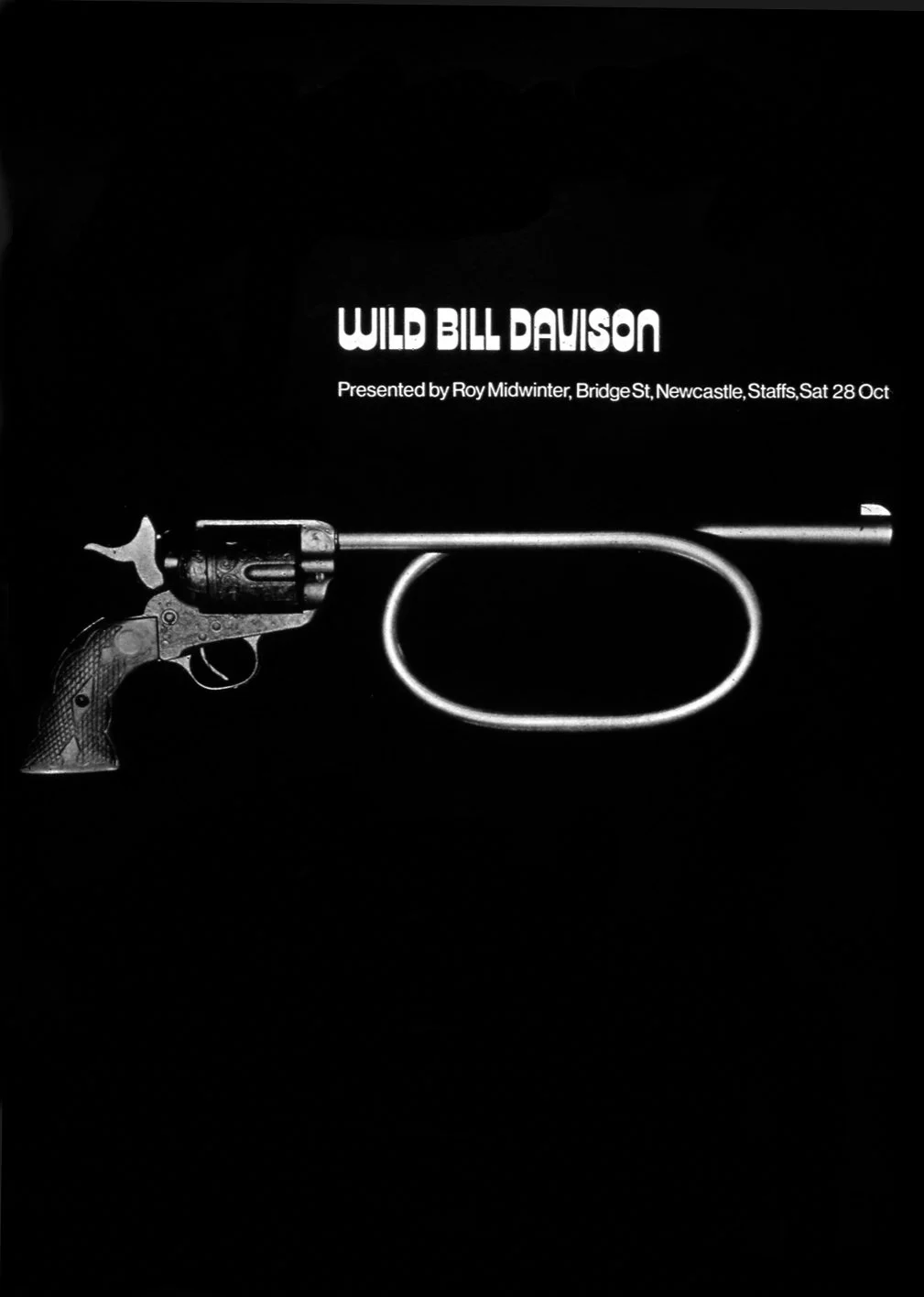
He trained in the traditional way. He studied typography at Leicester College of Art, taking his National Diploma in Design in 1956, then completed National Service with the RAF before moving into print design and advertising and, before long, into teaching. Through the 1960s and 1970s he designed covers for Jazz Journal, Britain’s longest-running jazz magazine - a commission that suited him exactly. Jazz was a lifelong pleasure; he played as well as listened, and he was still doing both decades later in Western Australia.
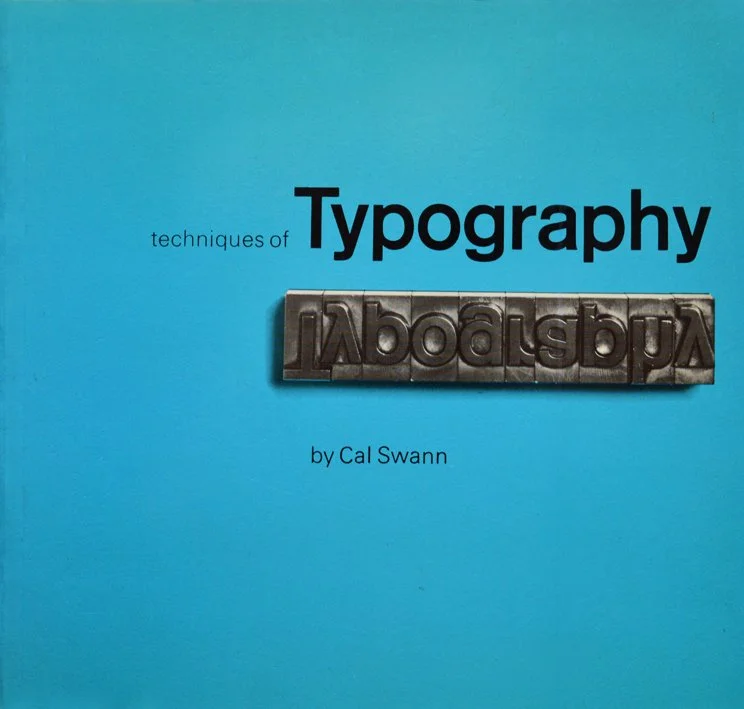
In 1969 Lund Humphries published Techniques of Typography, his first book and, for a generation of British students, a standard text. It was a practical volume written at a moment when typographic practice was about to be upended, and it established a habit he never lost: explaining the craft plainly to people who were still learning it.
Saint Martin’s, Liverpool and a change of discipline
From 1981 to 1986 he was Head of Graphic Design at Saint Martin’s School of Art in London, a post that put him in regular contact with the leading European designers of the period. He moved on to Liverpool Polytechnic as Dean and Professor of Typographic Design, with a brief spanning fine art, fashion, textiles, communication, interior and product design - an early education in the argument that design disciplines are better off in the same room.
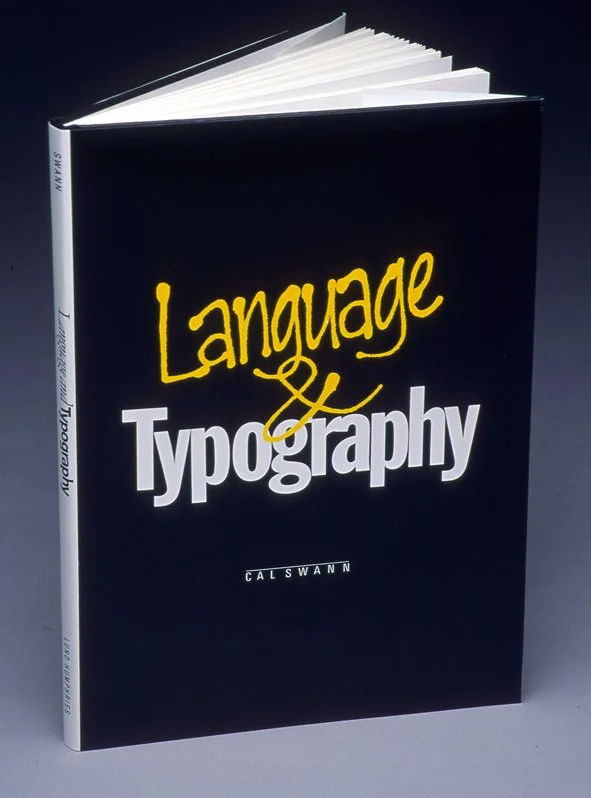
The most consequential decision of his career was an unlikely one for a working professor. As a mature student he enrolled at Lancaster University and took an MA in Applied Linguistics in 1986. The result was Language and Typography (Lund Humphries, 1991), which fused the two fields and made the case that typographic decisions are linguistic decisions: that how a message is set is inseparable from what it says. It reframed typography as a communication discipline rather than a styling one, and it shaped how he taught for the rest of his life. Decades later he was still running workshops at the Institut Teknologi Bandung in 2009, among others on teaching typography language-first.
Australia, and a course with no campus
Swann moved to Australia in 1989 to become Head of Design at the University of South Australia, where he was appointed Professor of Typographic Design. In 1996 he joined Curtin University in Perth as Professor of Design, coordinating the school’s higher degrees by research and supervising doctoral and masters candidates.
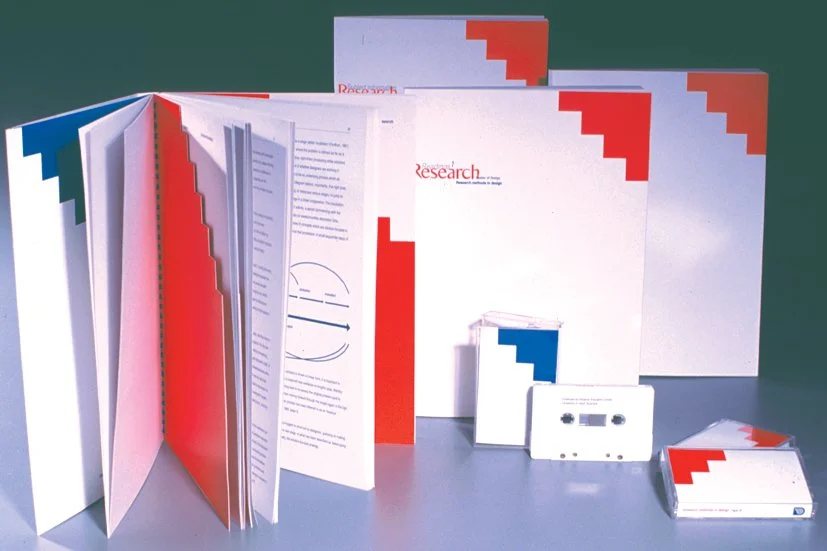
It was at Curtin that he did the work he was proudest of. He rebuilt the coursework Master of Design for distance delivery through Open Learning Australia - as far as anyone could establish, the first professional design course anywhere in the world offered in that mode. It was developed from his idea in his article ‘Nellie is Dead’ in 1986 in UK which challenged the atelier model of design education and the master program was a genuinely radical proposition in the mid-1990s, when the received wisdom held that design could only be taught face to face in a studio in Australia. He retired from full-time education in 2001 having proved otherwise.
Retirement, in his case, meant teaching part-time for another eighteen years
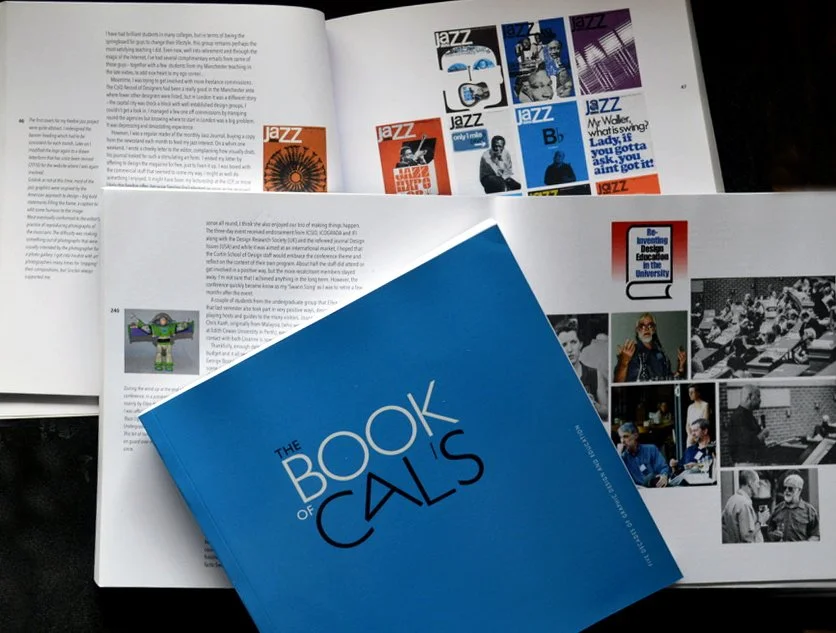
He kept consulting, kept writing and kept teaching, developing and running online typography courses for the Virtu Design Institute until 2019, more than sixty years after Leicester. He wrote for Design Issues, including a characteristically affectionate 2003 essay on Australian rural mailboxes as a form of everyday vernacular art. He served on the national council of the Design Institute of Australia in the early 2000s, and in 2017 was made an Honorary Fellow of the International Society of Typographic Designers. His last published book, The Book of Cal’s, is a designer’s reflection on what it was to practise and teach in the second half of the twentieth century.
What his students remember is not a house style, he never imposed one, but a way of asking questions. What is this text for. Who is reading it, and under what conditions. What is the type doing to the meaning. He held that the designer’s first obligation is to the reader, consistently, across letterpress, phototypesetting, desktop publishing and the web.
He is survived by his wife Sandra, his four children Kate, Karl, Jane, Luke, stepdaughters Mita and Laras, seven grandchildren, and a great grandson. The Design Institute of Australia extends its condolences to his family, his colleagues and the many designers he taught.