

In conversation with designer Adam Goodrum
As the Design Institute of Australia opens nominations for the 2026 DIA Hall of Fame, we're celebrating the people whose creativity, leadership and influence have shaped Australian design. At the same time, the Write DESIGNER campaign calls on every designer to help shape the profession's future by identifying as a designer in the 2026 Census. To mark both milestones, we sat down with one of Australia's most celebrated industrial and product designers, 2024 DIA Hall of Fame recipient Adam Goodrum, for a rare conversation about recognition, legacy, and why every designer should make themselves count by writing DESIGNER on Census Night.
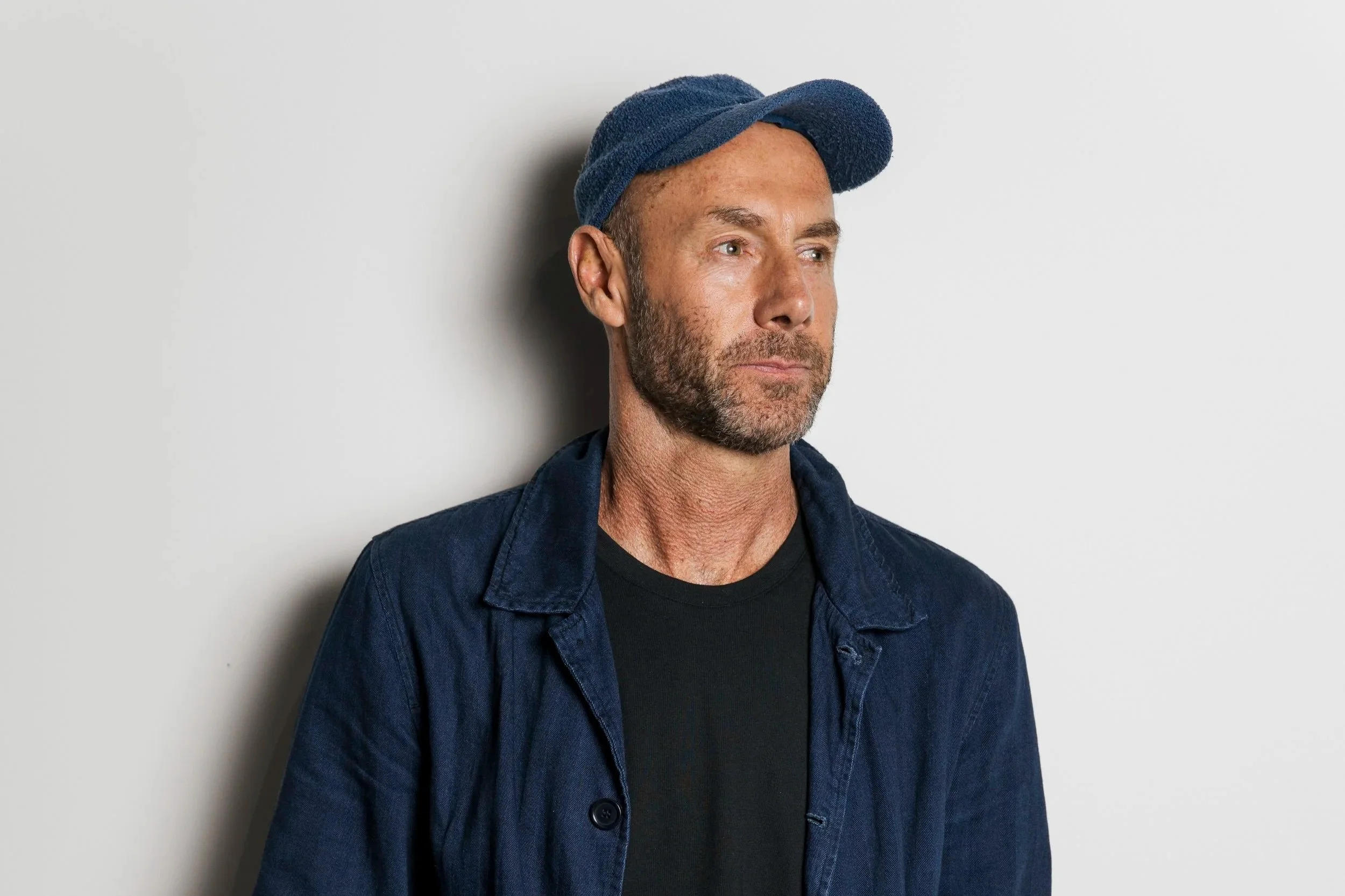
Adam Goodrum. Photo courtesy the designer.
You were inducted into the DIA Hall of Fame in recognition of a career that has helped shape Australian design. Looking back, what does that recognition mean to you personally, and why do you think it's important that we celebrate the people who have advanced our profession?
AG: Receiving the DIA Hall of Fame recognition was incredibly humbling. To be honest, I felt a little overwhelmed. While I'm established in my career, I still feel like there's so much more I want to explore and achieve. Seeing my name alongside designers like Susan Cohn, Khai Liew and Marc Newson is deeply humbling.
Australia has historically placed less value on design than countries like Italy, Scandinavia and Japan. As a result, we haven't always recognised the many important creatives who have helped define our design identity. Celebrating these contributions is important because it builds a stronger understanding of our design history and the role designers play in shaping culture, industry and everyday life.
I feel privileged to now be in a position where young designers reach out for advice and guidance. Being able to share experiences, encourage ambition and support the next generation is one of the most rewarding parts of the journey.
The recognition also gave me a chance to reflect on the many people who have supported the studio along the way, from companies like Tait and NAU, to institutions such as the NGV and Powerhouse, and advocates like Judith Neilson, who have helped bring my ambitious design ideas to life.
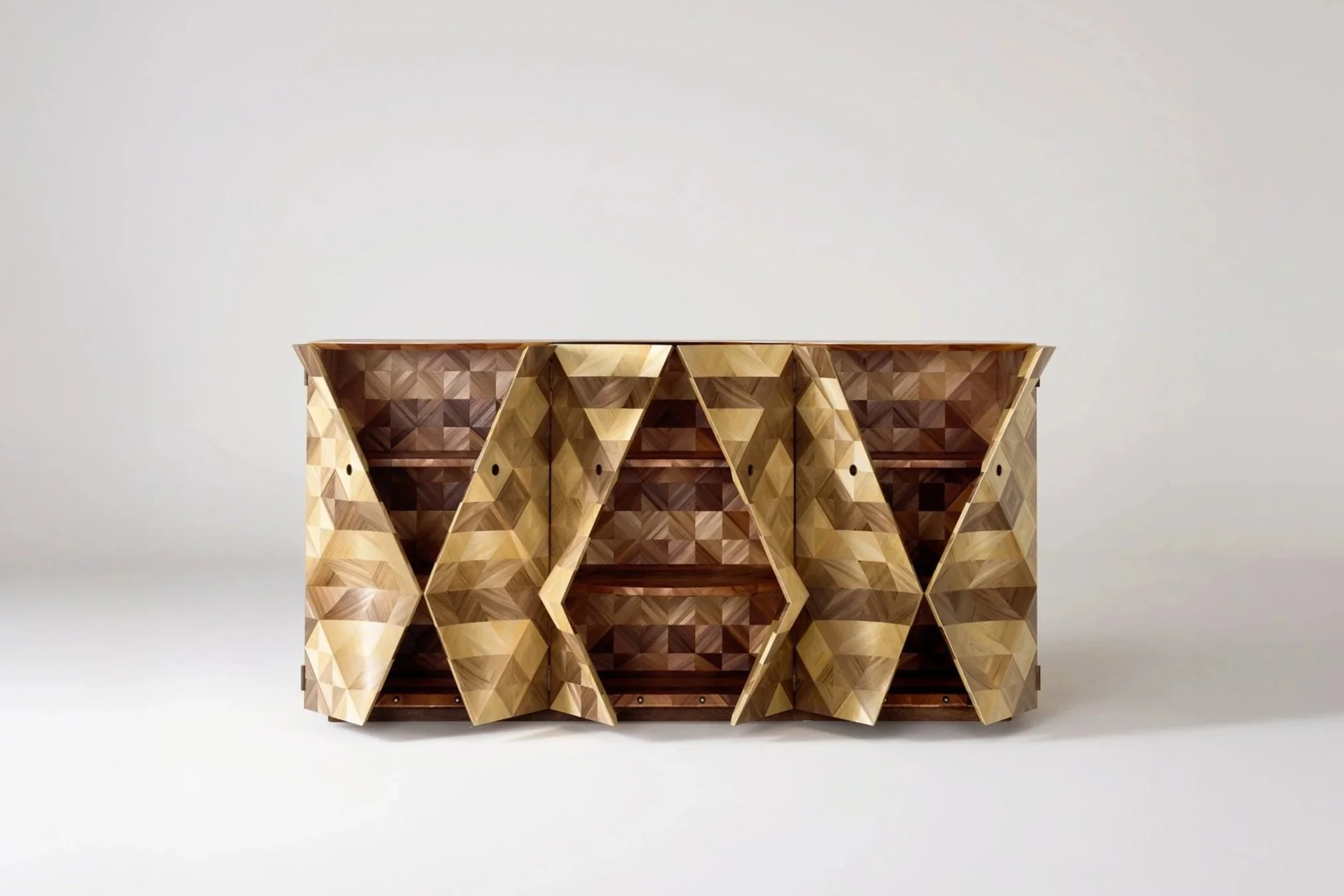
Ark Cabinet by A&A (Adam Goodrum and Arthur Seigneur). Photo Peter Ryle.
Design often happens quietly, informing the objects we use, the spaces we inhabit and the experiences that improve everyday life. Why do you think Australia's designers deserve to be more visible and better recognised, both by the public and by government?
AG: I don't think designers need celebrity status, but I do think design should be better understood and valued for the role it plays in our lives. Good design drives innovation, supports manufacturing, strengthens businesses and quietly improves the way we live every day.
Australia has an incredible depth of design talent, yet we don't celebrate design in the same way as other nations, where design is recognised as an important part of both culture and the economy, and the people who have shaped it are part of the national conversation. They're not celebrities; they're respected for the contributions they have made to society.
I'd love to see that same appreciation here. Greater recognition of Australian designers, alongside stronger support for local manufacturing and design-led industries, would not only strengthen our sector but also reinforce design as a valuable economic and cultural asset, rather than something that is only about aesthetics.
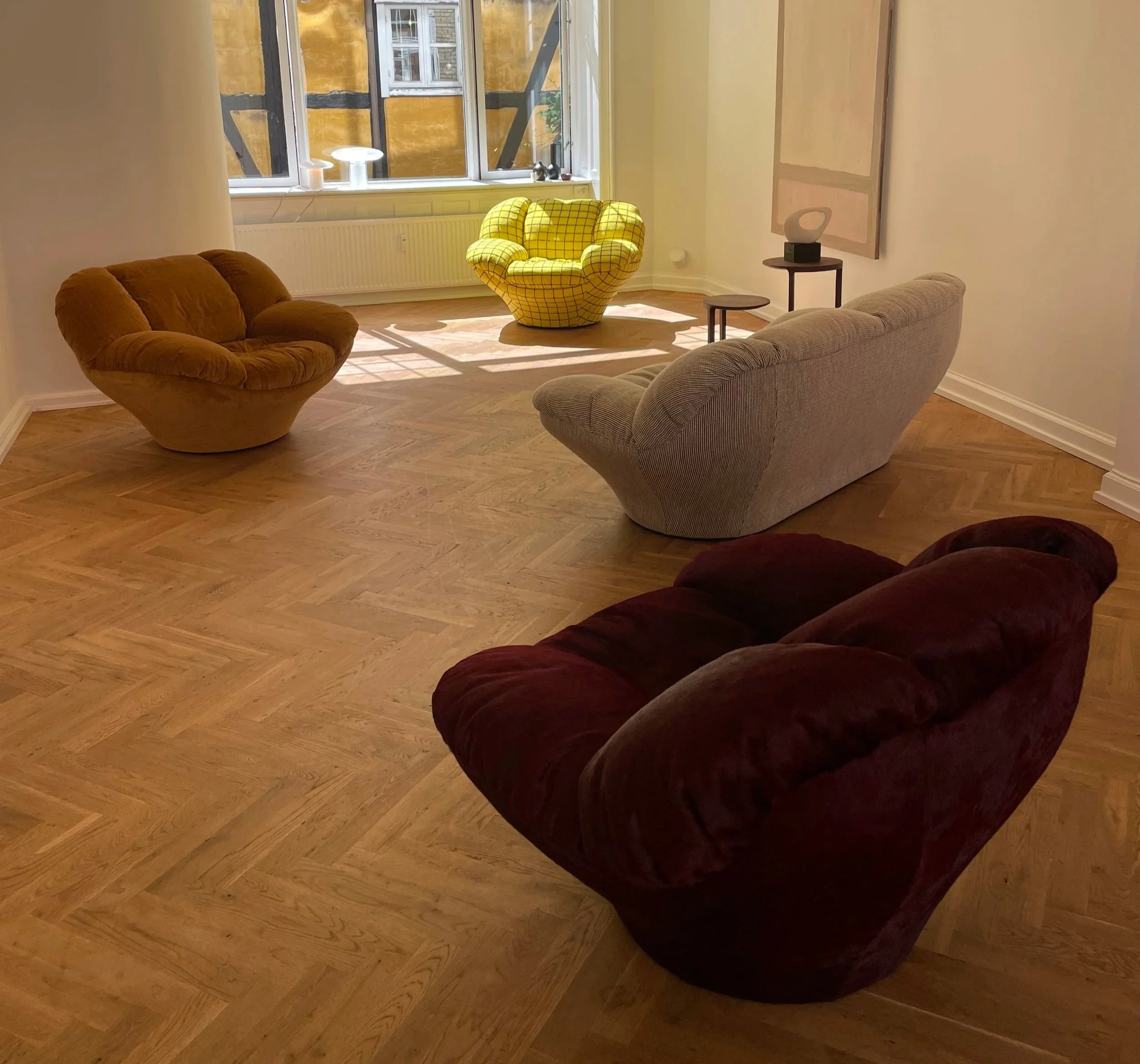
Soft Spot, armchair by Adam Goodrum for NAU. Photo AG studio.
The DIA's Write DESIGNER campaign asks designers to identify themselves as designers in this year's Census. It might seem like a small act, but why do you think being counted matters for the future of the profession?
AG: We're experiencing a shift, with more people buying Australian-designed and Australian-made products. We need to build on that momentum and invest more in the local industry, so it becomes financially sustainable for the long-term.
Being counted gives us the evidence we need to advocate for funding, education and policy support. More importantly, it helps ensure we don't lose the next generation of talented designers because it's simply too difficult to build a career here.
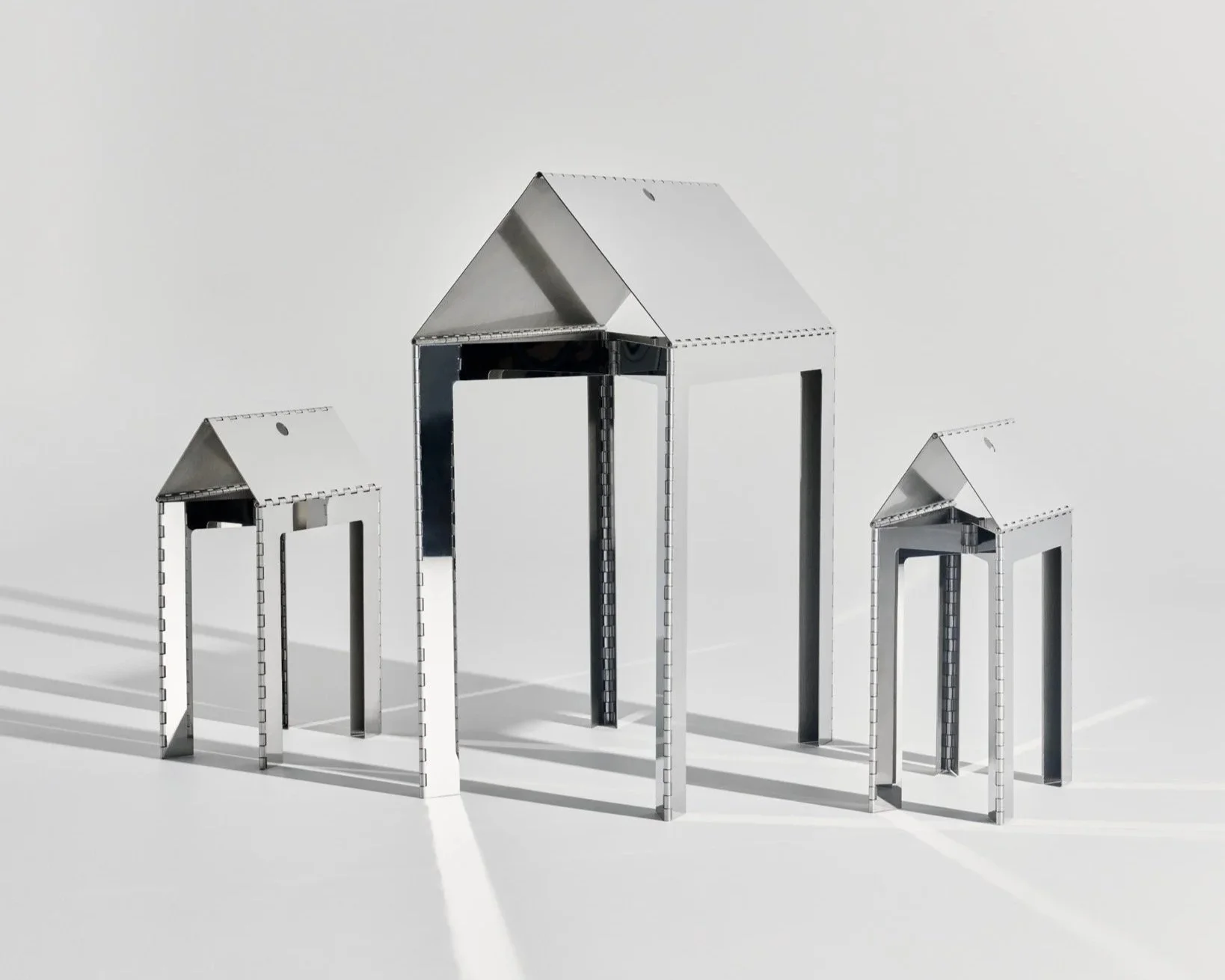
ReStitch, stool, table by Adam Goodrum for AG studio. Photo Peter Ryle.
Throughout your career you've seen Australian design mature into a globally respected discipline. What opportunities do you think become possible when we finally have an accurate national picture of Australia's design workforce?
AG: Australian design has come a long way. Early in my career, many local designers, me included, felt we had to go overseas to build a reputation. Today, international opportunities are coming to us, which is a significant shift.
Melbourne Design Week this year felt like a defining moment for Australian design. The quality of work was extraordinary, and for the first time, it genuinely felt as though we weren't just preaching to the choir but engaging a much broader audience. That confidence and maturity in our local industry is something I've never seen before.
Having an accurate picture of Australia's design workforce gives government the evidence it needs to make better policy decisions and invest in design education, design-led manufacturing and the broader design economy. In doing so, it strengthens Australia's position as a globally respected design nation.
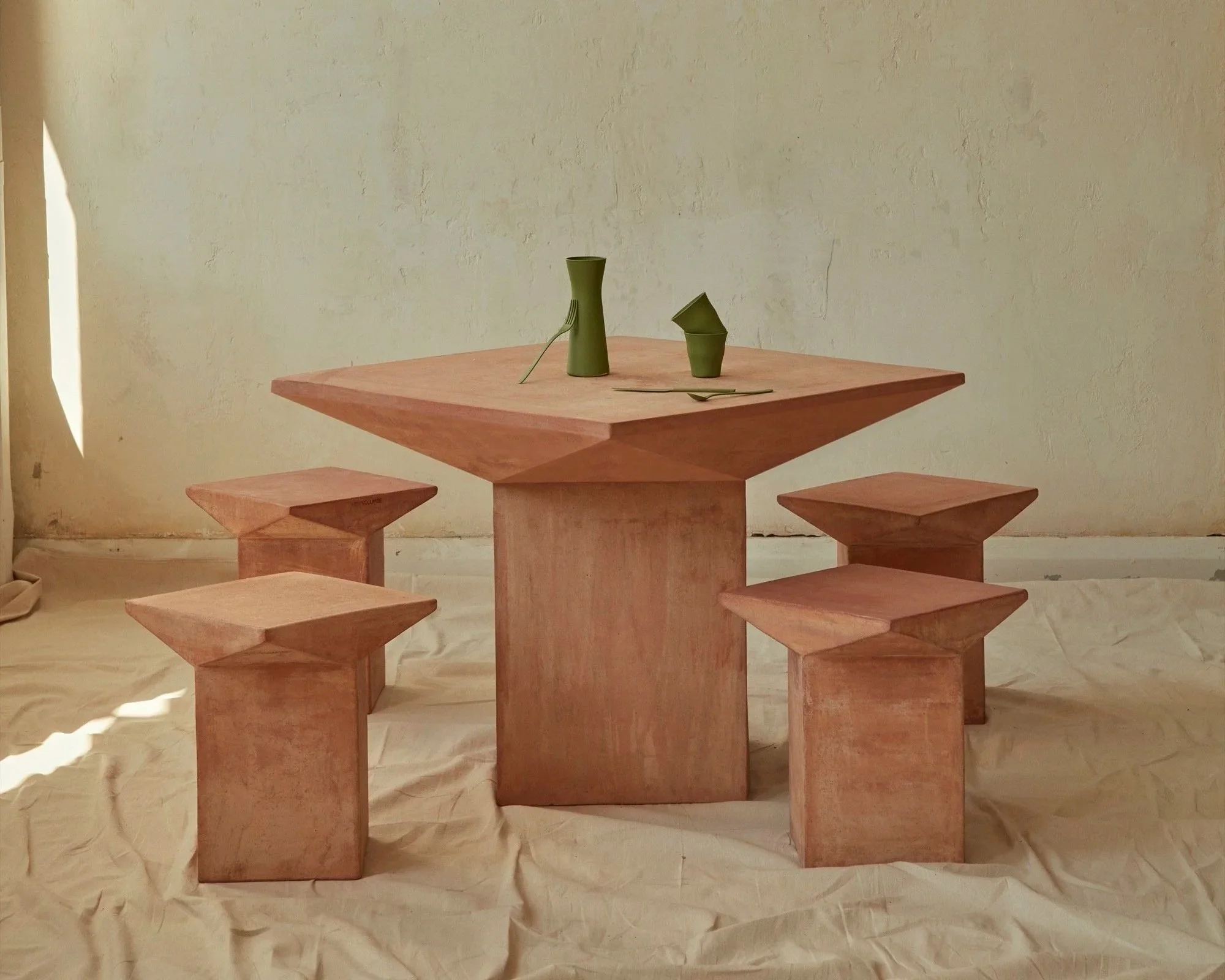
Pitcher by Adam Goodrum for New Volumes. Photo Sean Fenness.
Nominations for the DIA Hall of Fame are about to open. Who comes to mind when you think about the designers whose contribution deserves greater recognition, and what would you say to someone considering nominating a colleague whose work has shaped Australian design?
Caroline Casey immediately comes to mind. Her furniture for Anibou was incredibly inspiring to me and many others, yet I don't think she has received the recognition she deserves.
Emma Elizabeth is another. Through LOCAL DESIGN, she independently championed Australian designers by taking their work to Milan and giving them an international platform. That opportunity was career-defining for so many designers.
Simone LeAmon is another – can I say you? We started our careers together, walking the streets of Milan with our portfolios. She's an exceptional designer and has played an incredibly significant role in shaping Australian design on so many levels.
If someone has made a lasting contribution to Australian design, nominate them. It's important that we recognise the people who have built our profession and helped create the opportunities the next generation now enjoys.