

50 Years of Industrial Design Education in Queensland
On 30 September, designers, educators, students and industry leaders gathered at St John’s Cathedral in Brisbane to celebrate a significant milestone: 50 years of industrial design education in Queensland. Hosted by the DIA Queensland Branch Council, the evening brought together generations of Queensland’s industrial design community to reflect on the people, ideas and institutions that have shaped the profession and to consider where it might go next. The event was also livestreamed, extending the celebration to the wider design community across Australia.
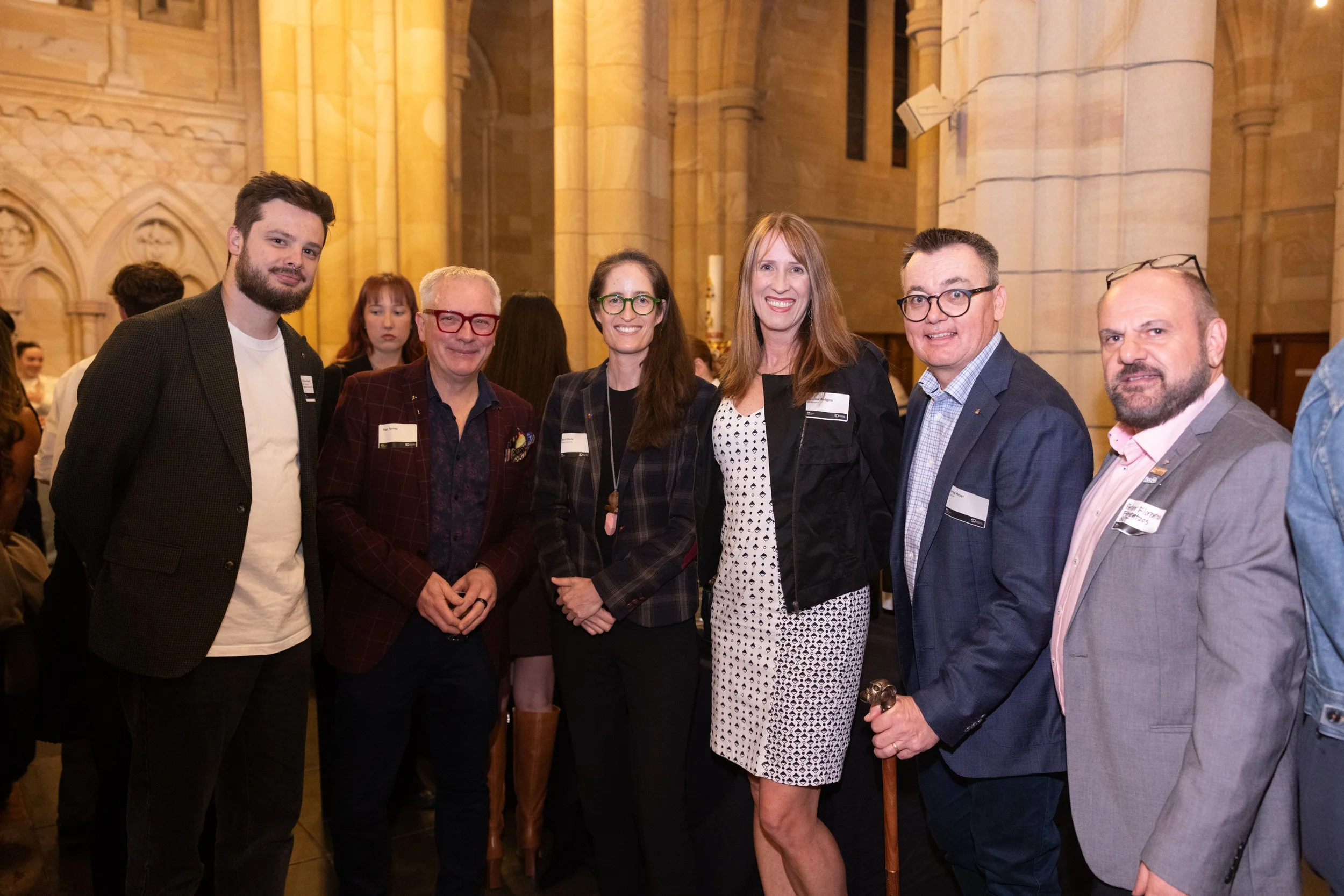
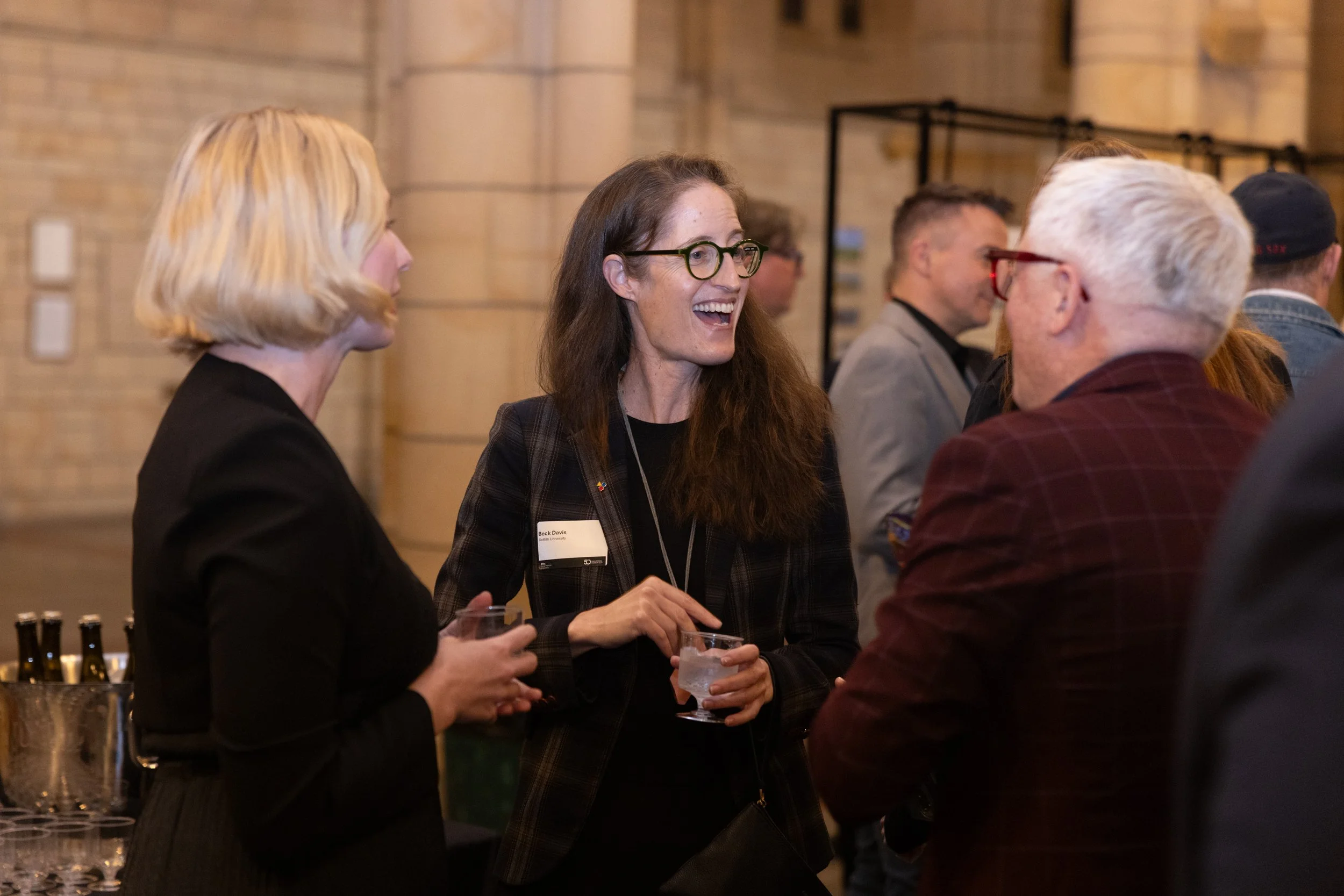
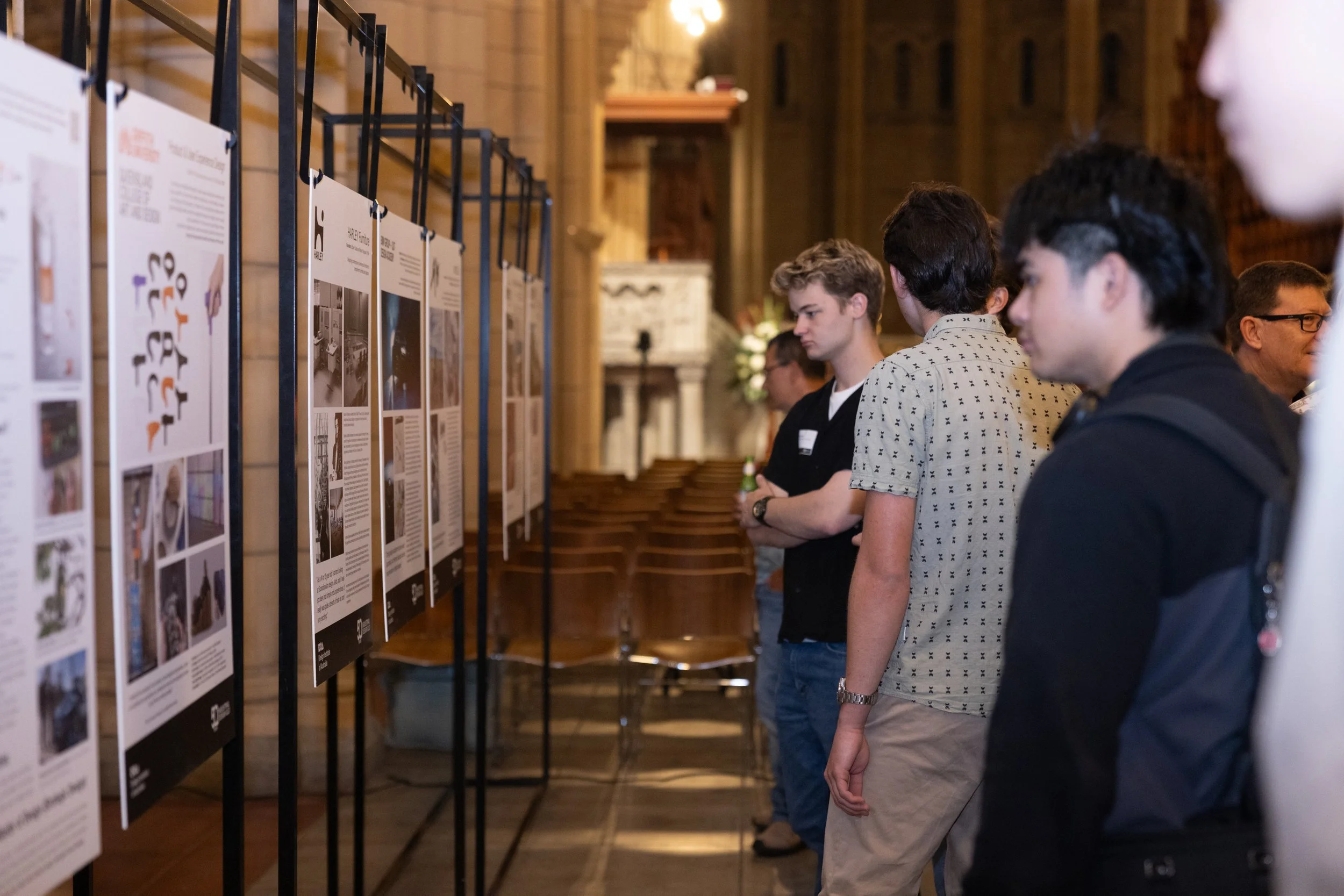
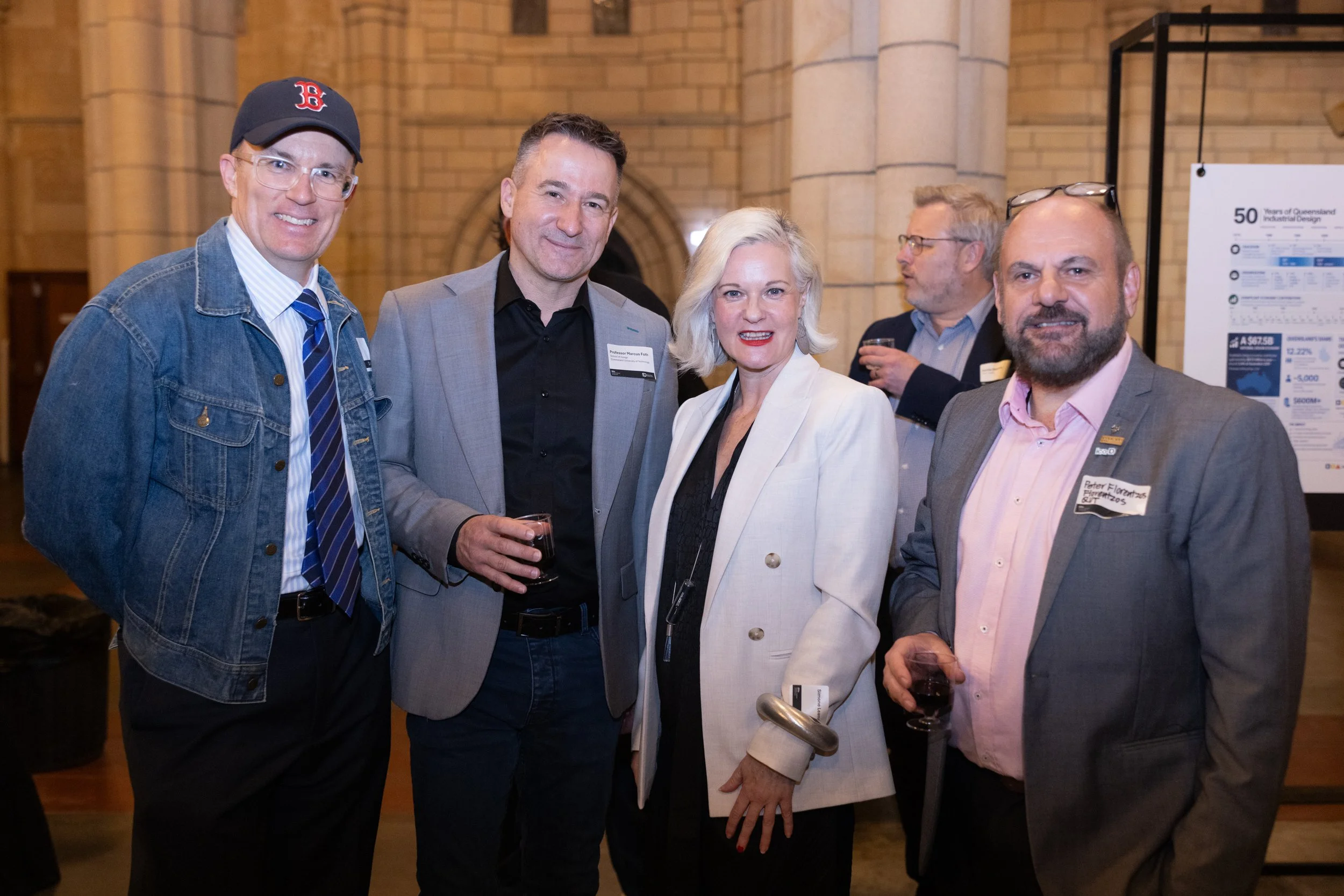
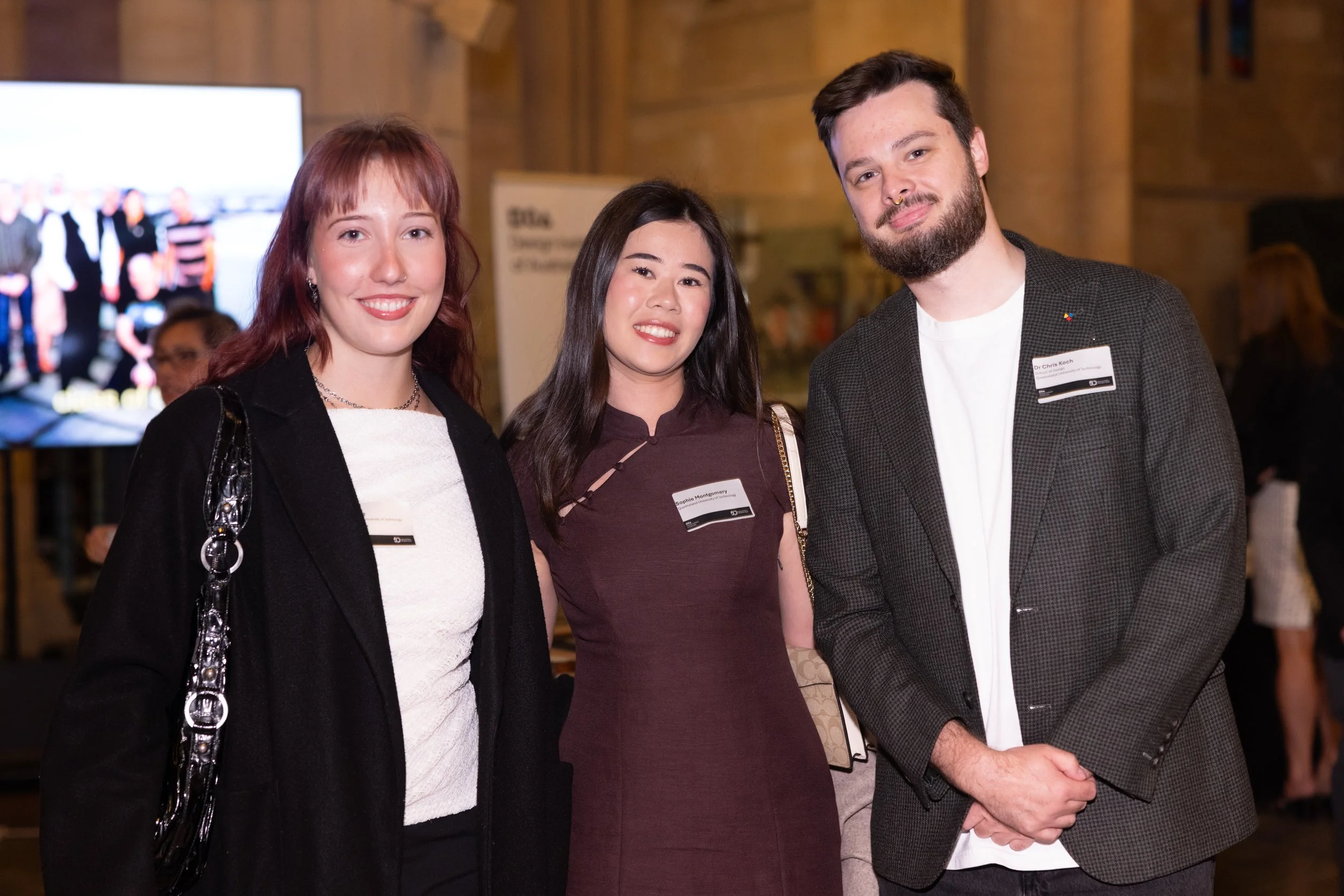
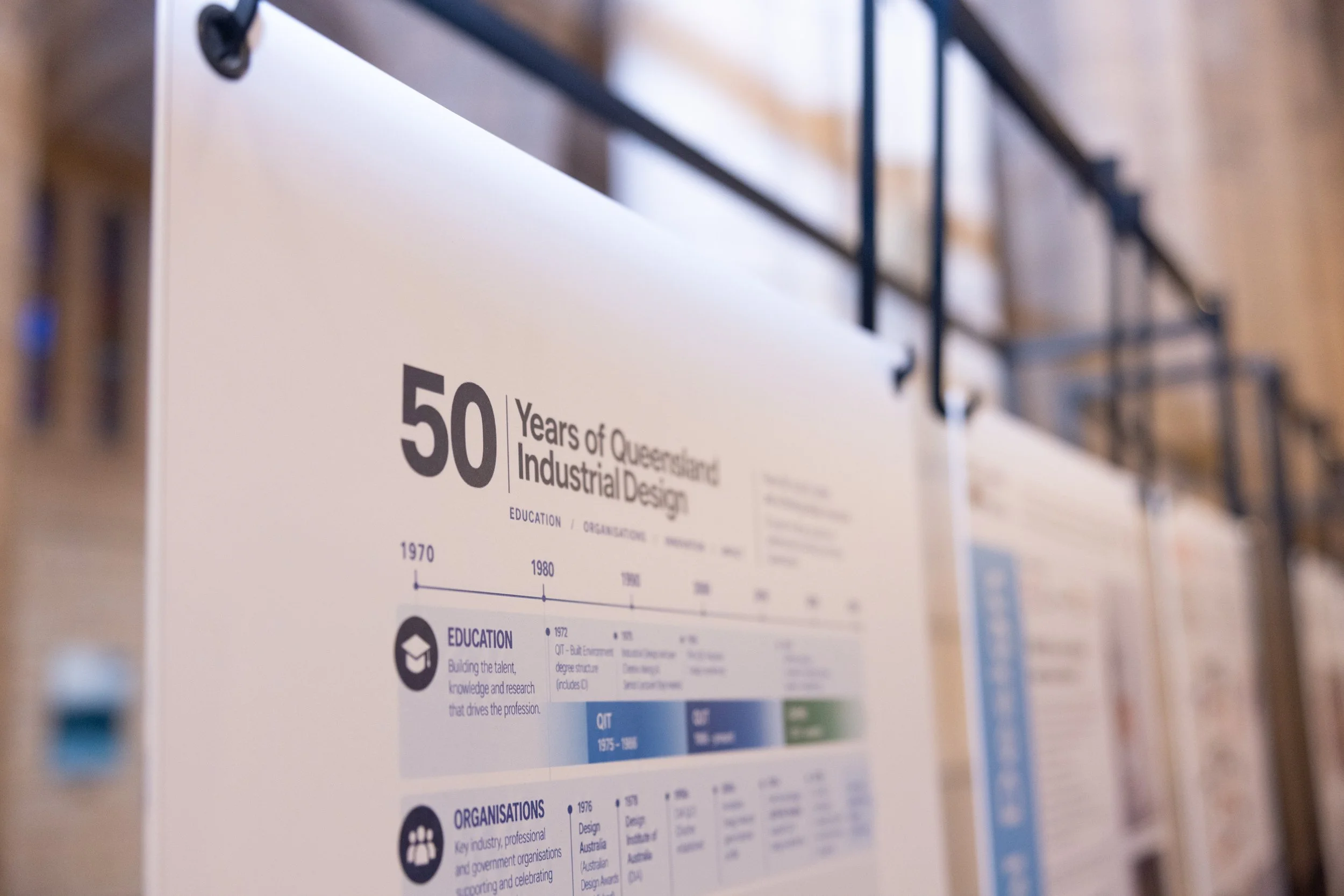
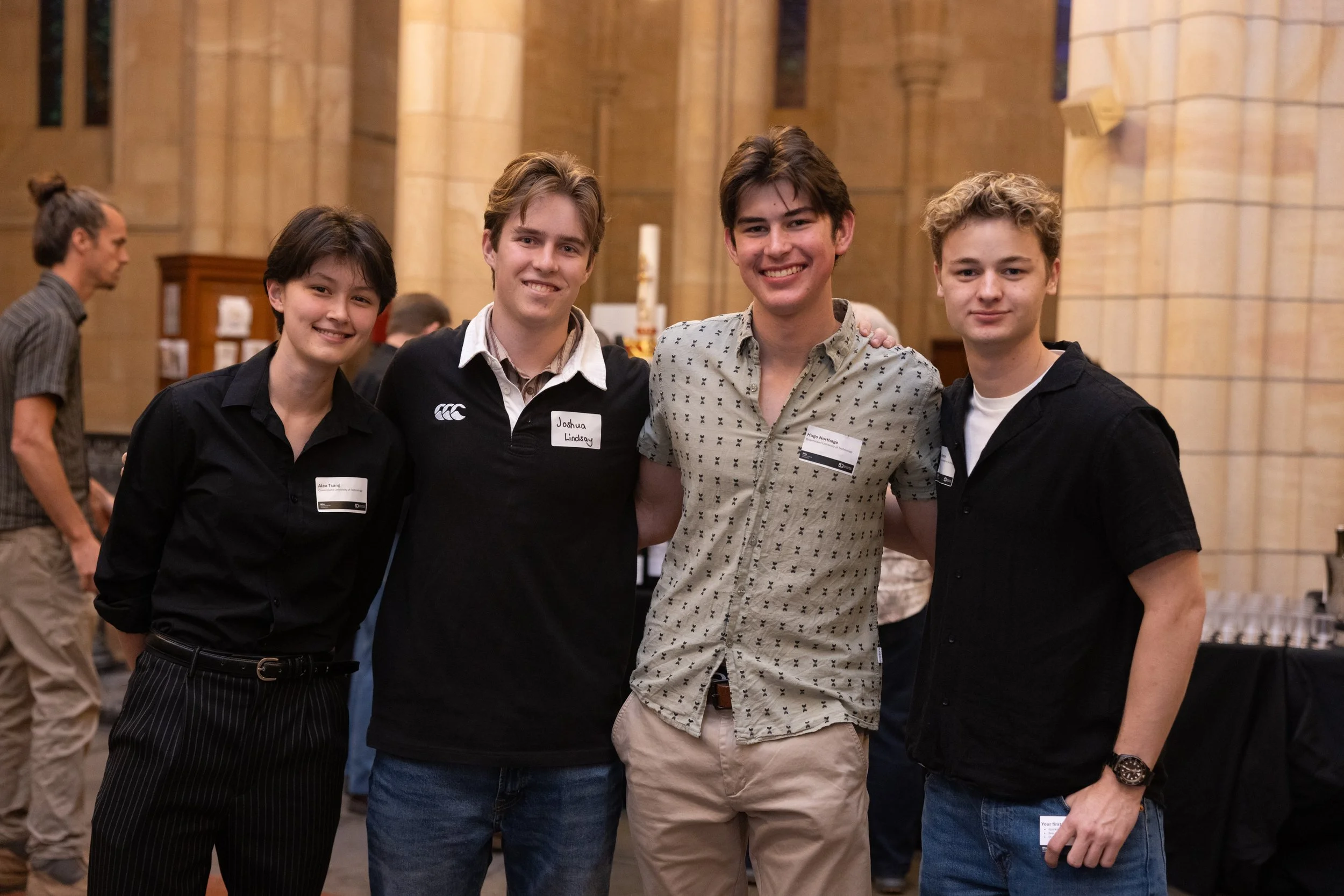
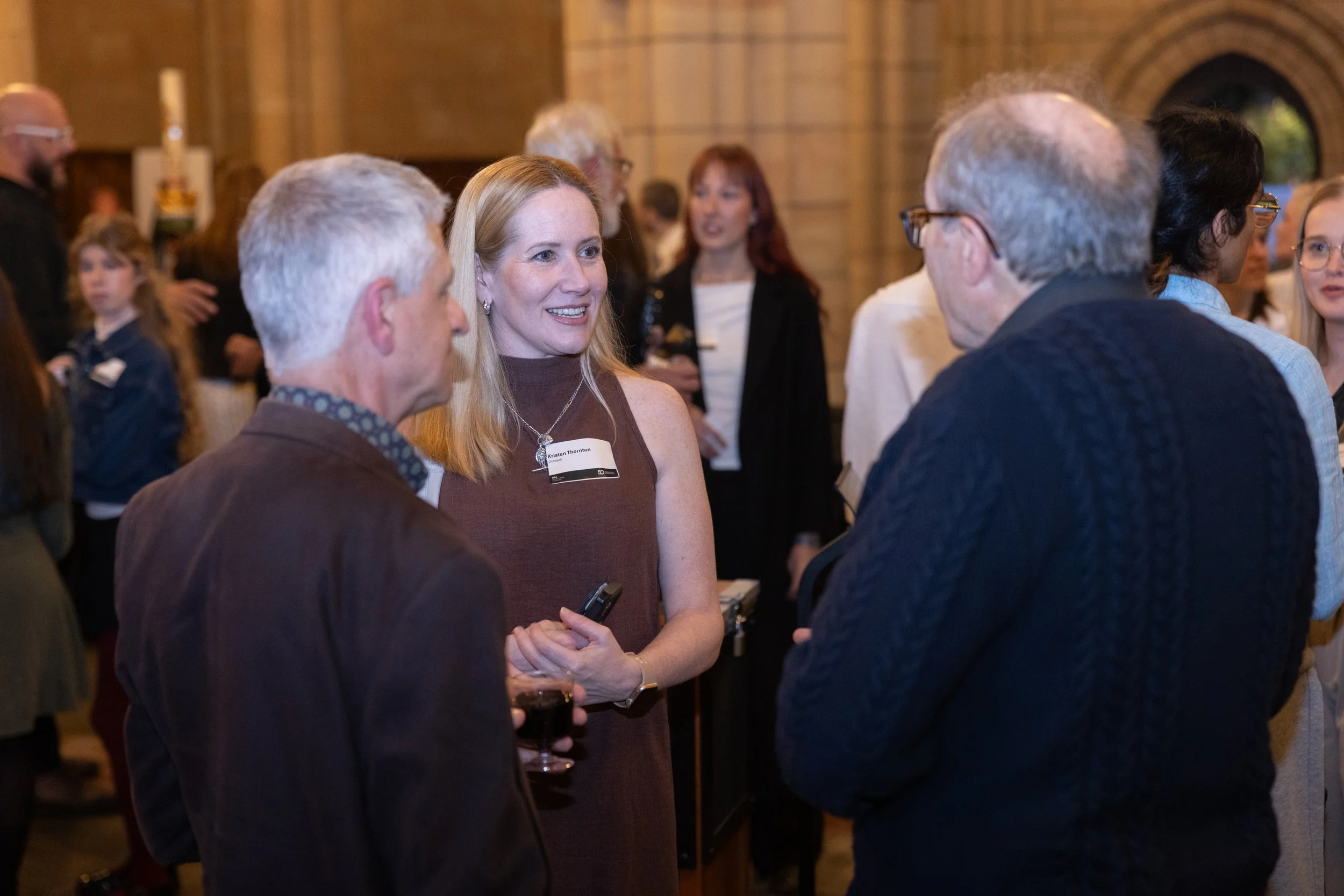
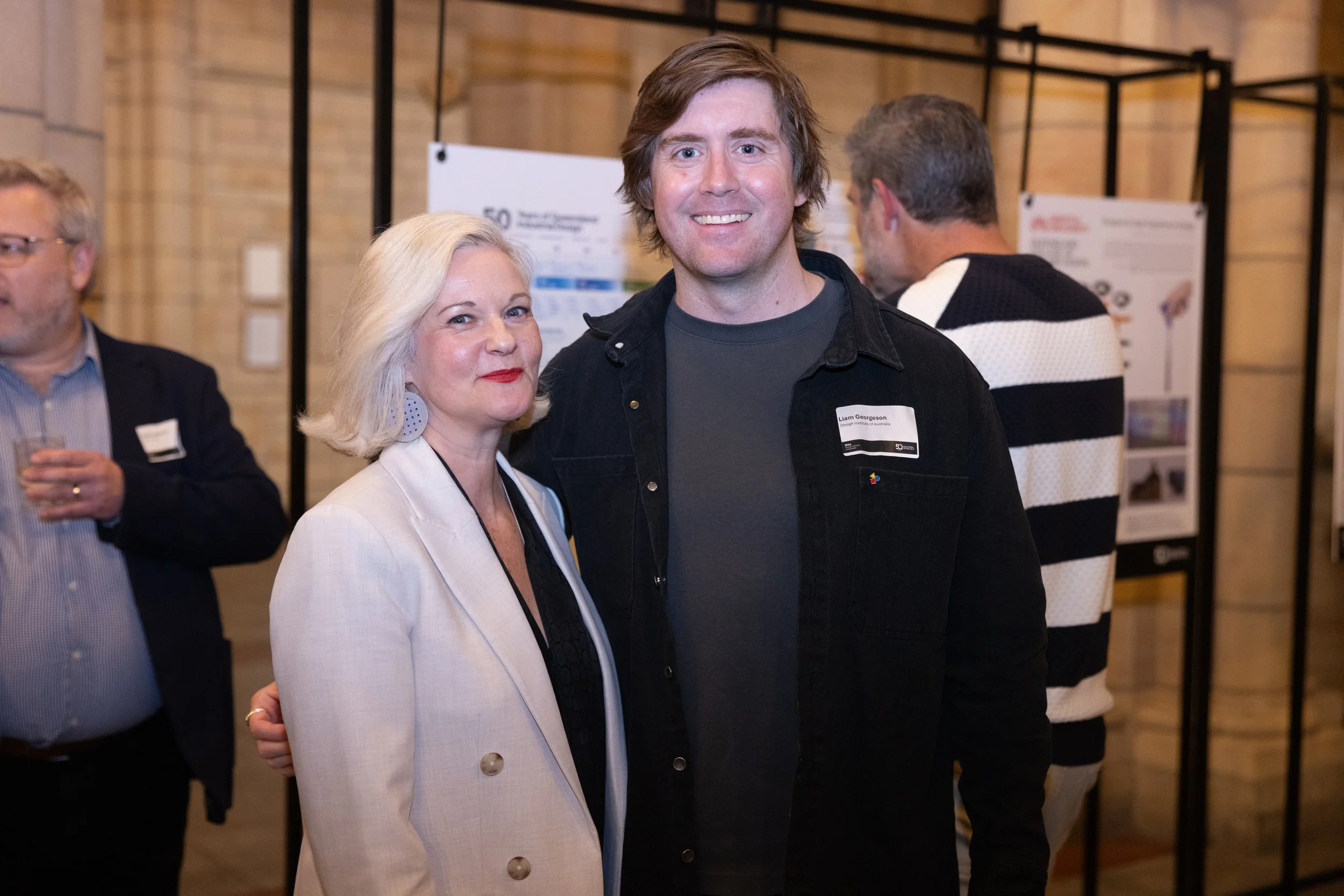
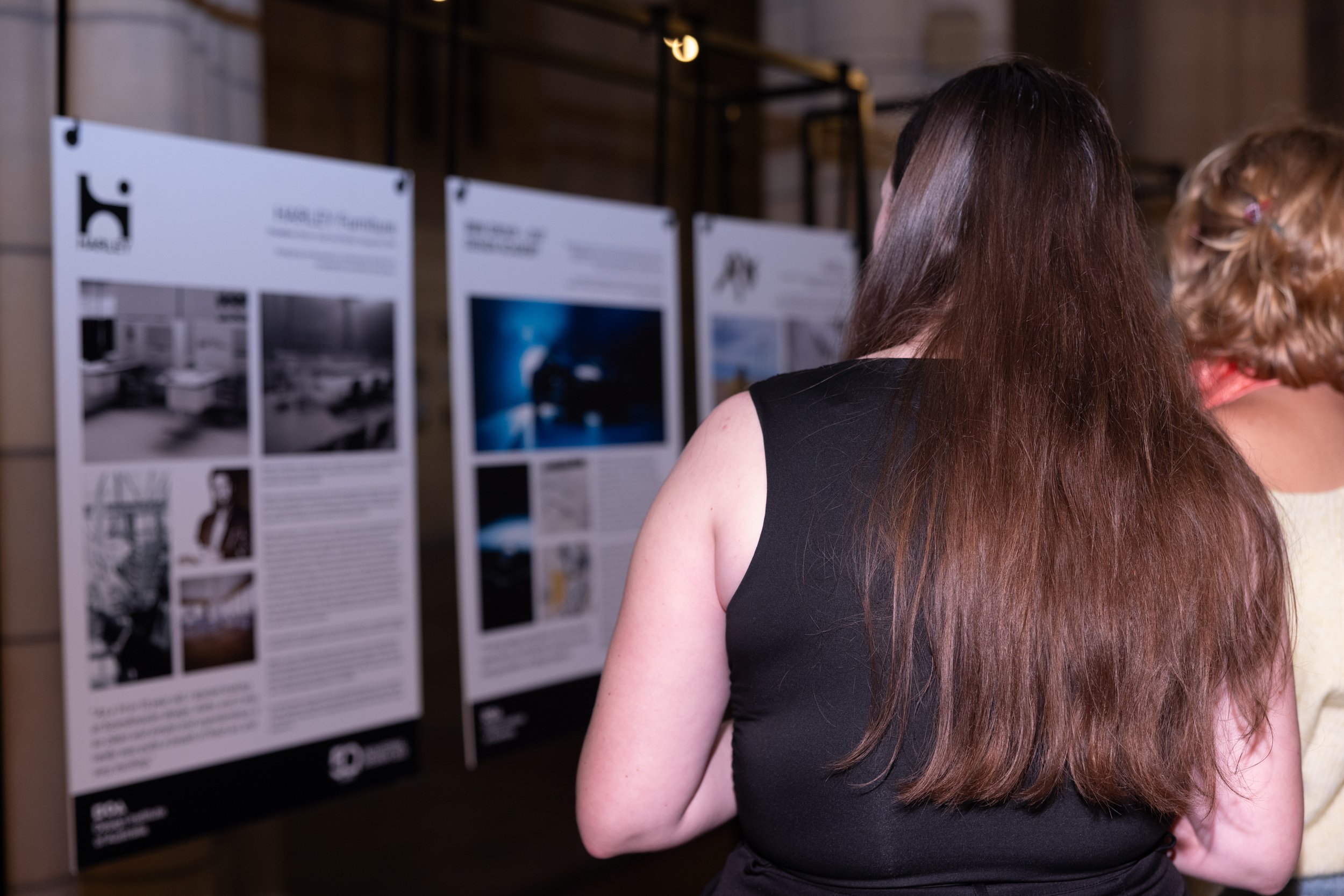
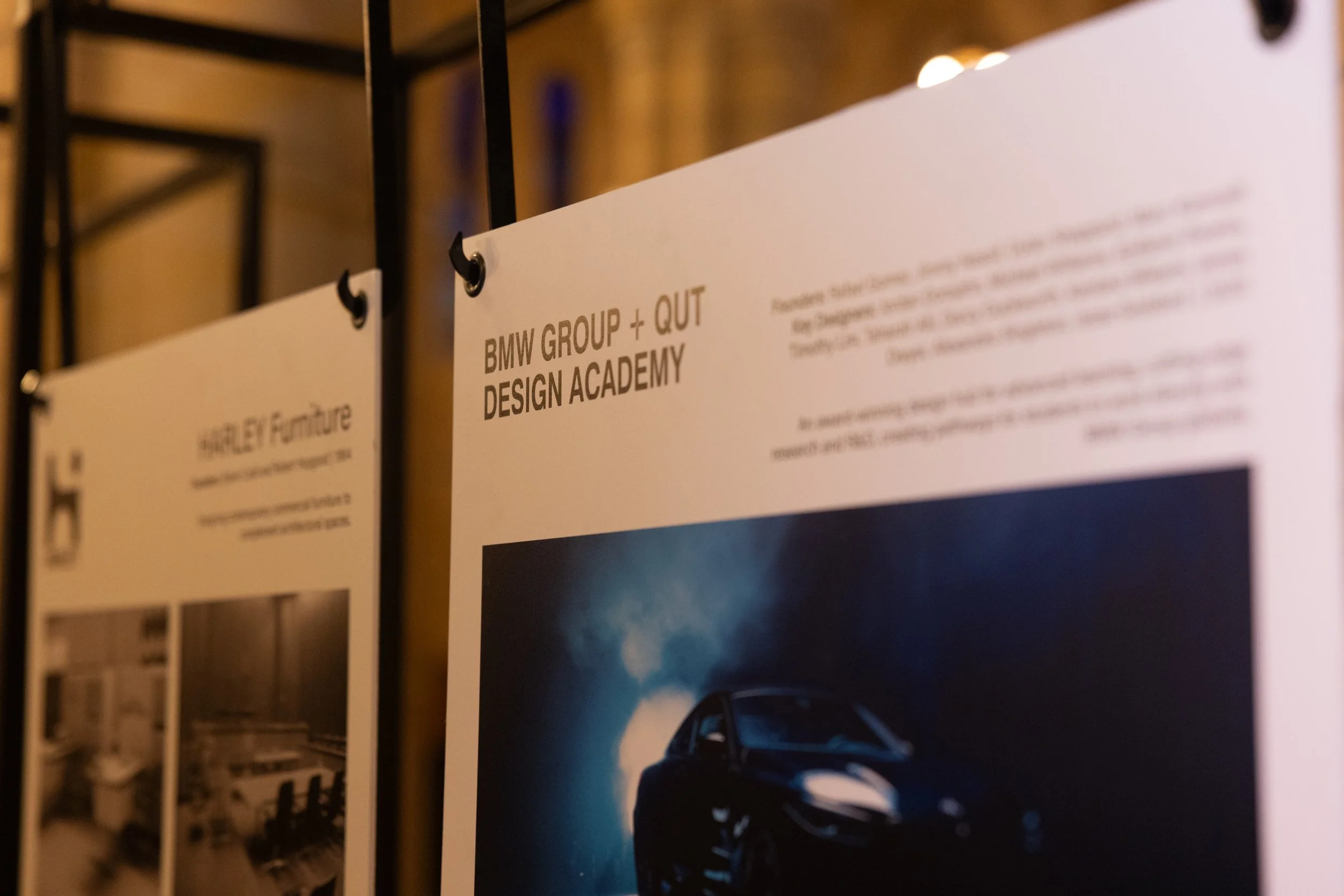
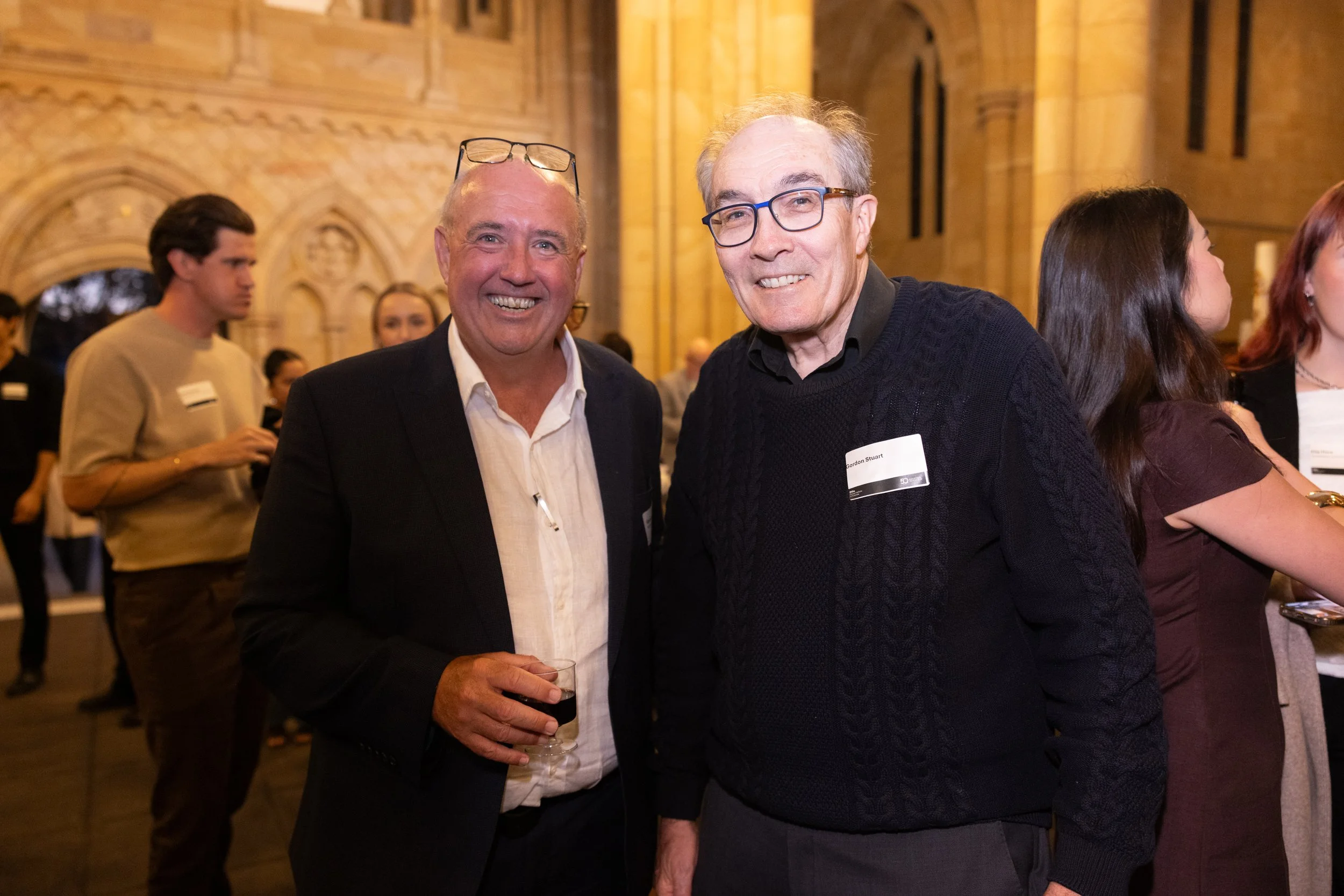
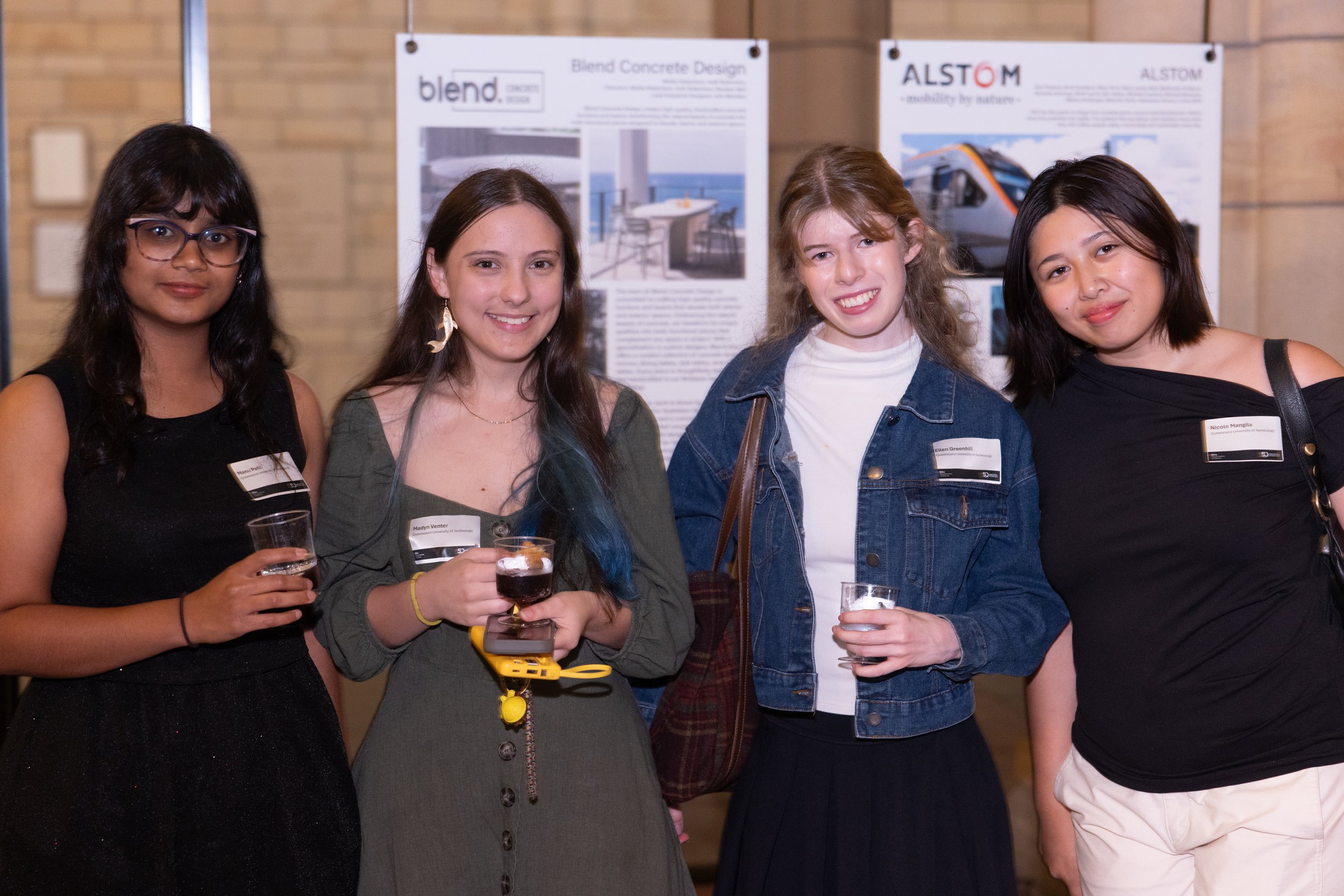
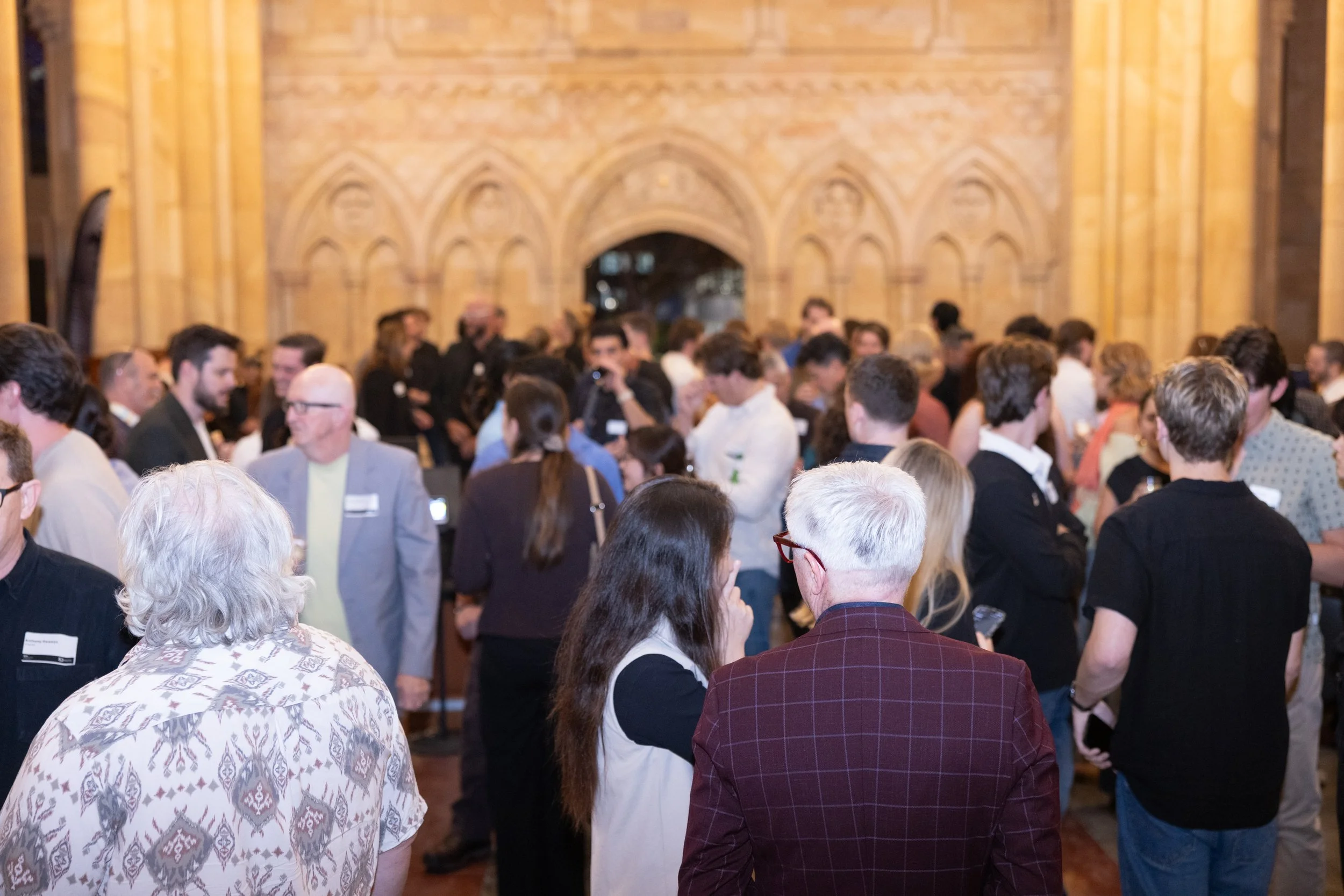
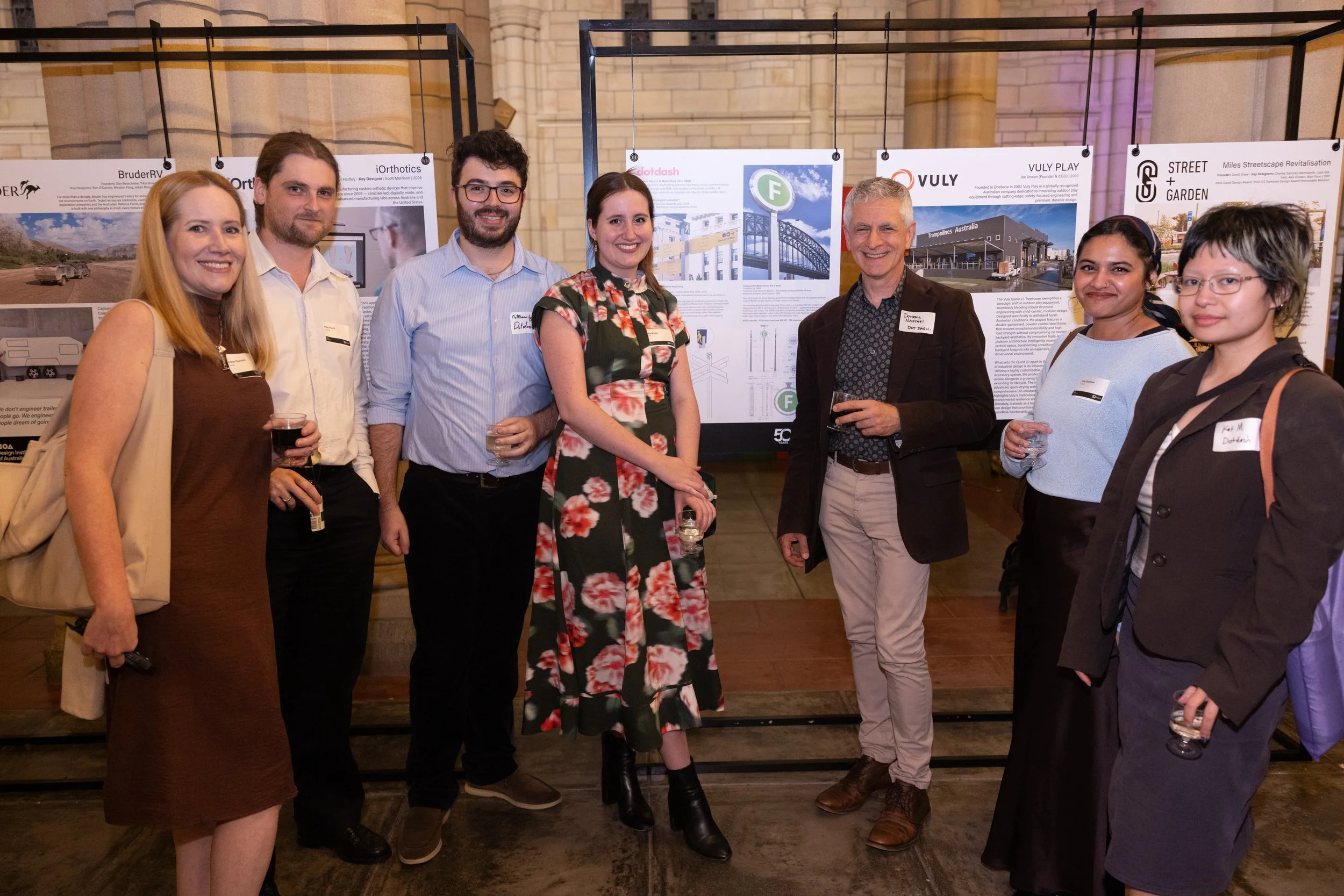
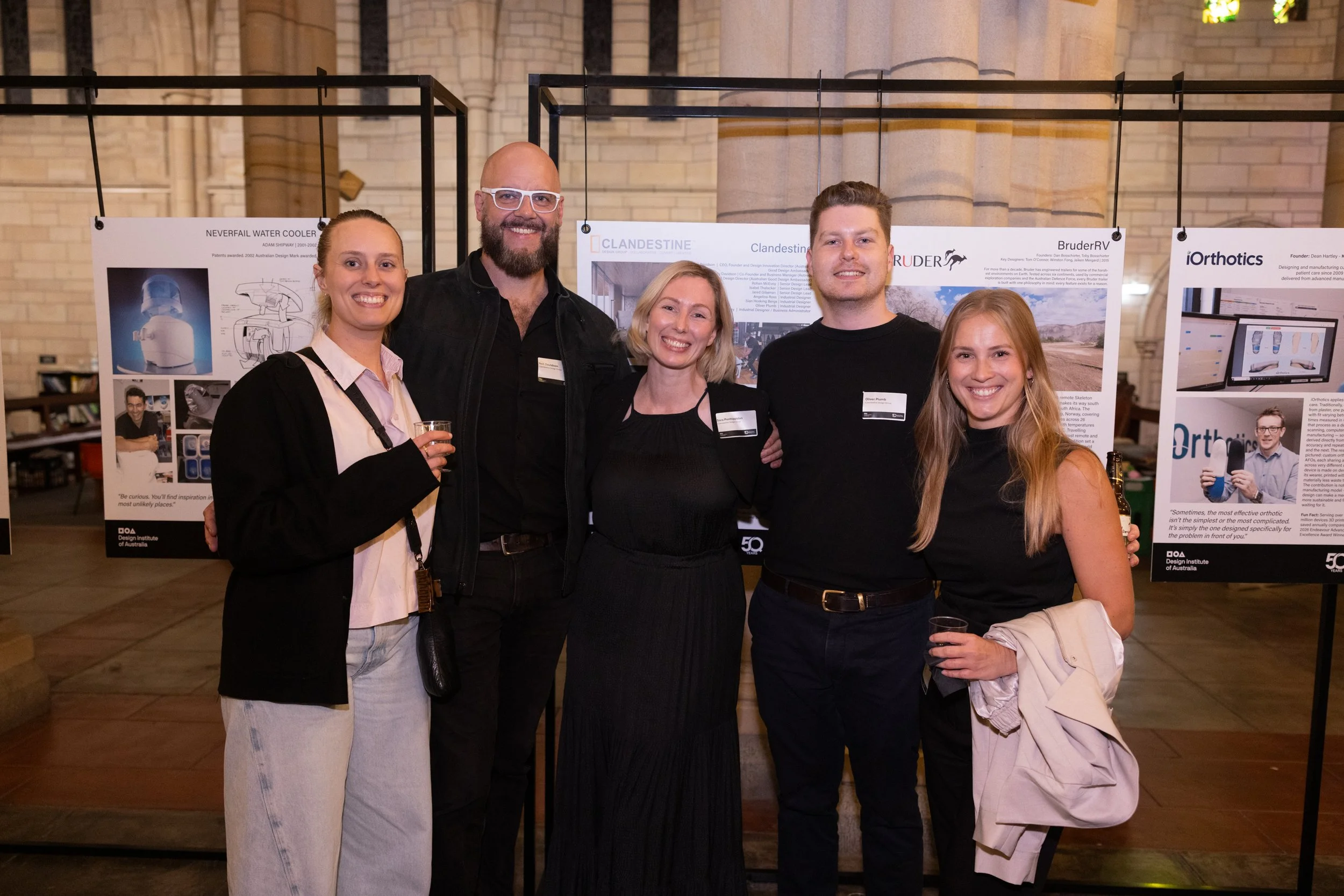
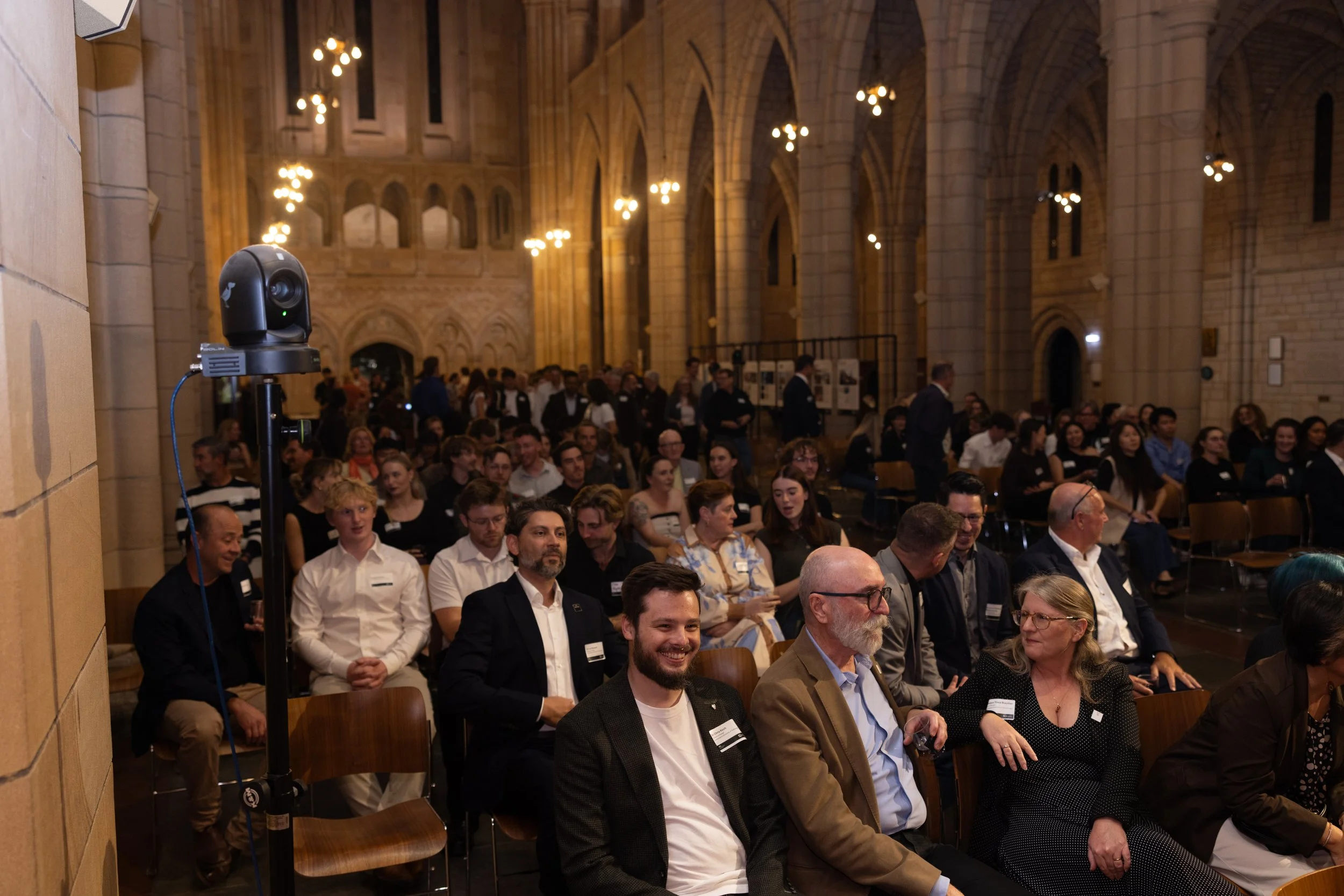
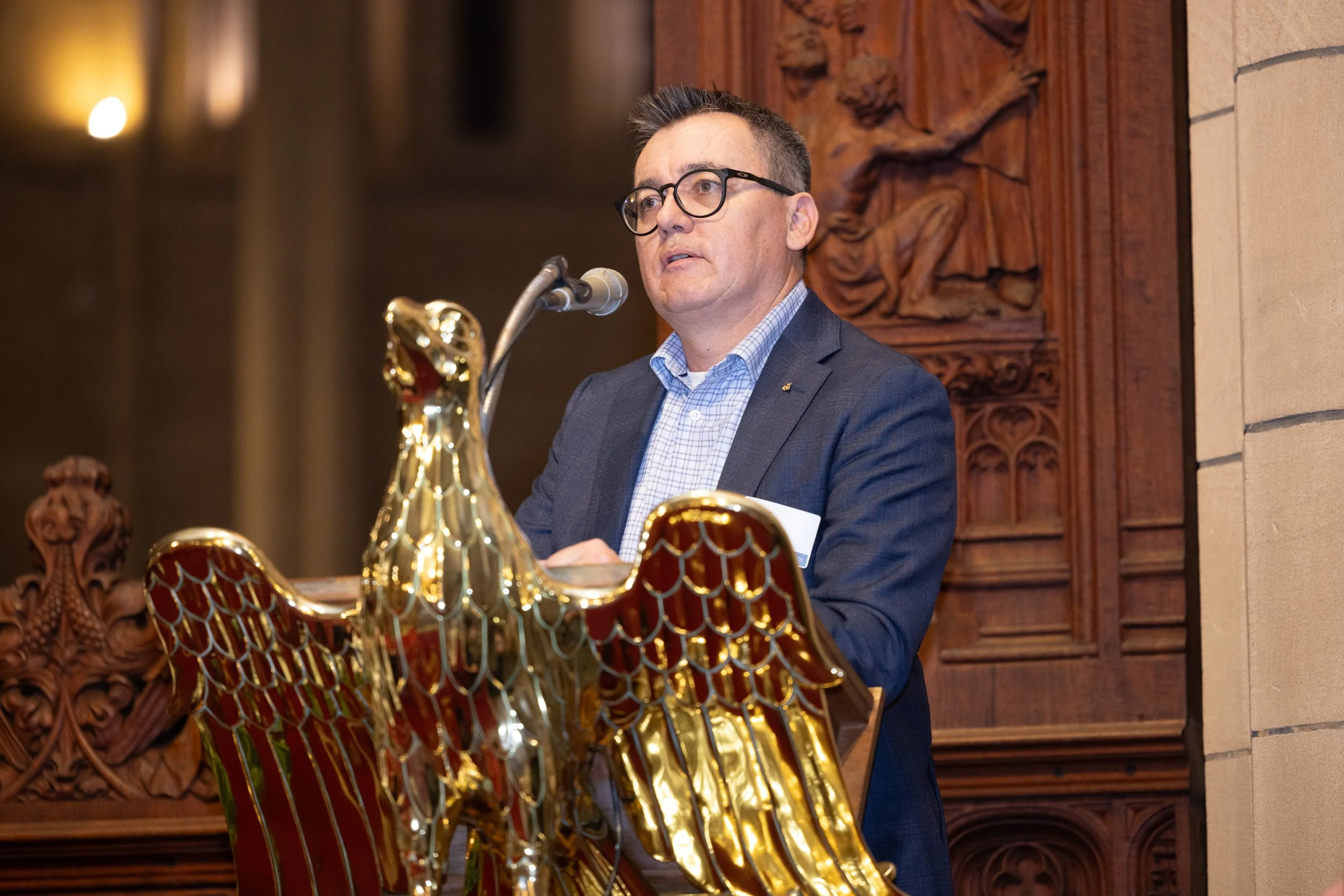
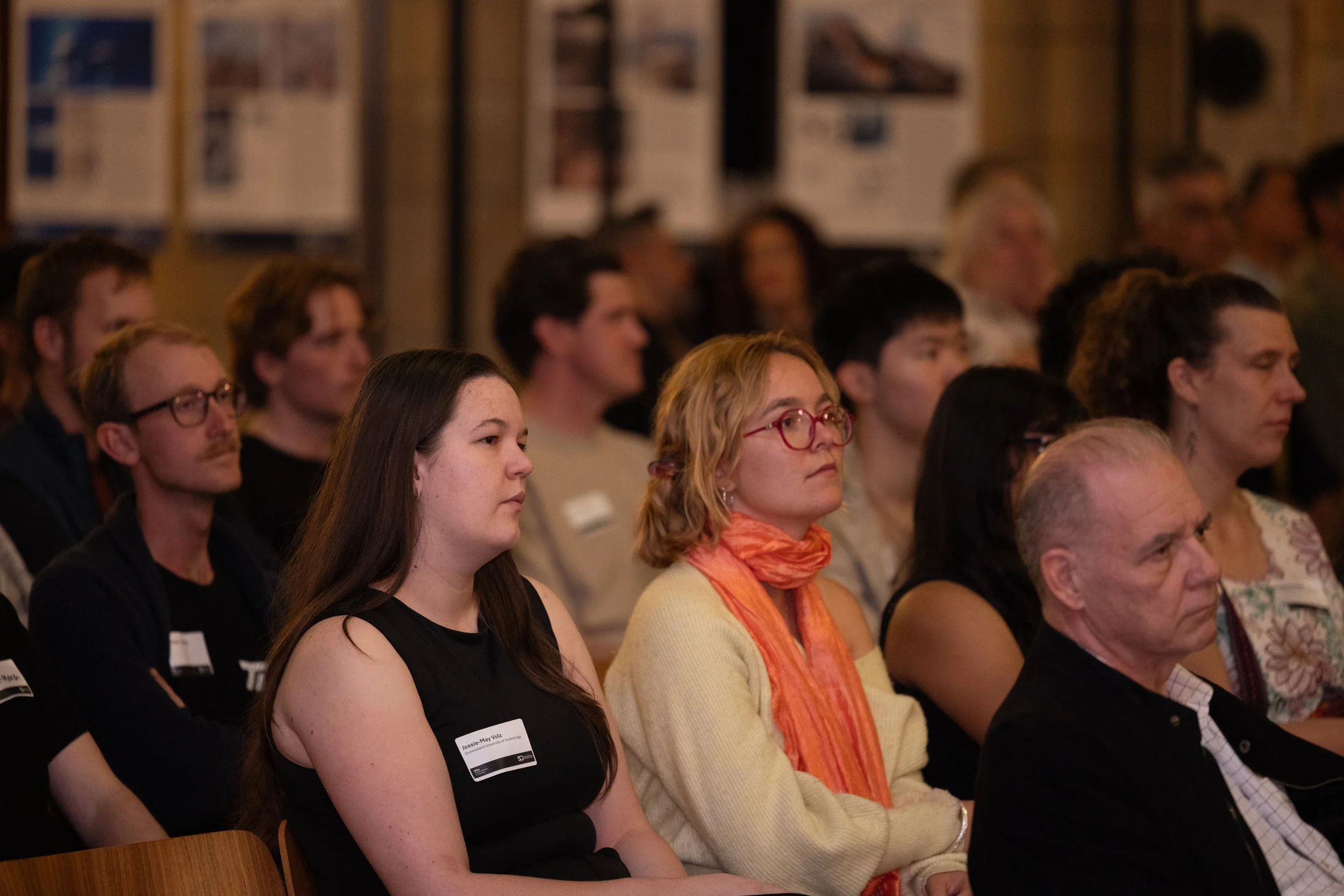
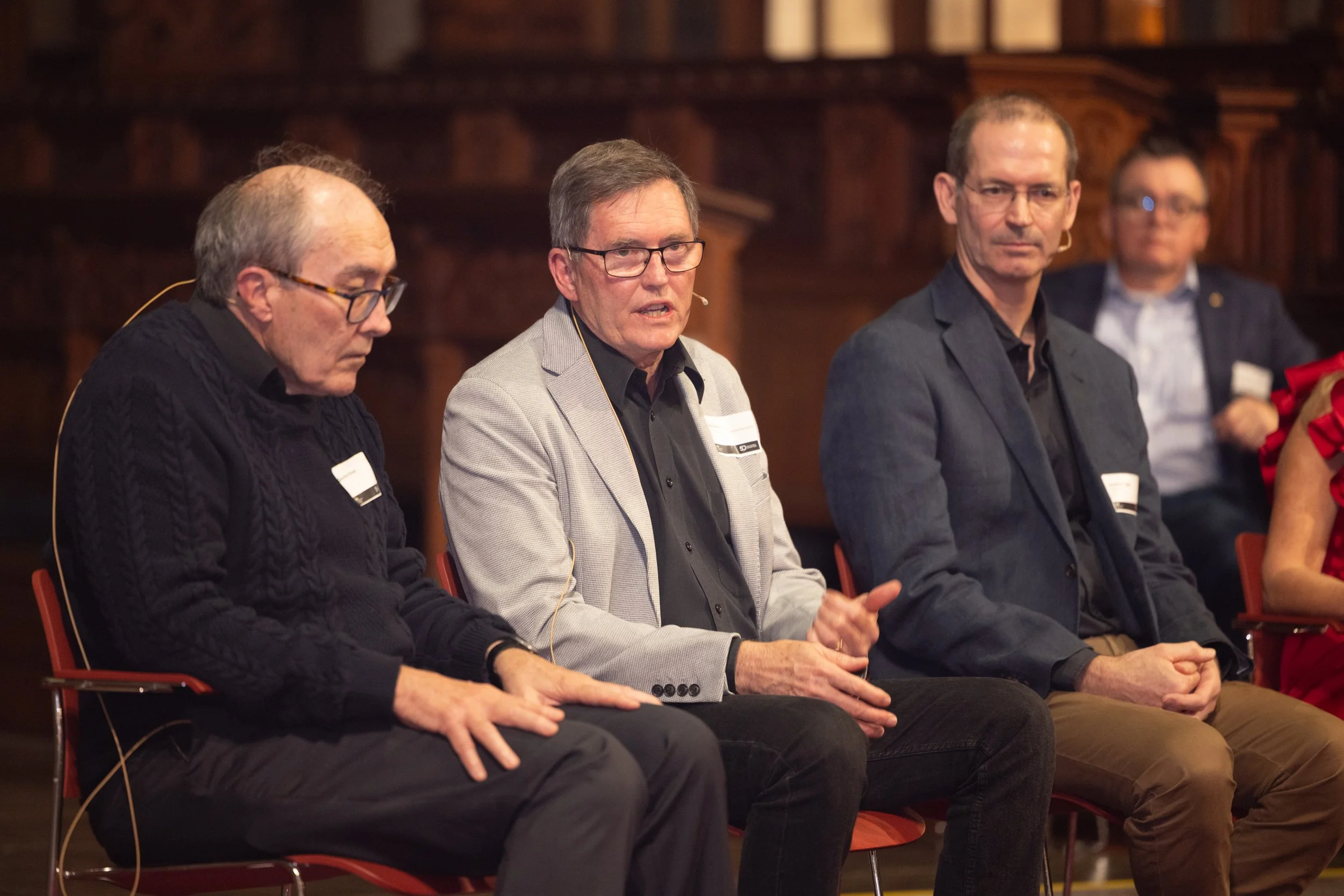
Industrial design education in Queensland began at the Queensland Institute of Technology (QIT), now Queensland University of Technology (QUT), in the mid-1970s. Over five decades, the program and its graduates have contributed to the evolution of industrial design practice in Queensland and beyond, building capability across industry, manufacturing, technology, research and education.
DIA Queensland Councillor Gregory Meyer opened the evening before welcoming DIA CEO Simone LeAmon, herself an industrial design graduate, who reflected on the importance of a strong collective voice for the profession. LeAmon described design as “part of the infrastructure through which every Australian lives”, while challenging designers to become stronger advocates for the value of their work. “We’re very good at doing the work, but we’re not quite as good at articulating its value,” she said, calling on the profession to support the DIA’s national advocacy. “The stronger our collective voice, the harder it is to ignore.”
DIA Queensland Chair Liam Georgeson, a graduate of QUT’s industrial design program, reflected on the legacy of the educators who have shaped generations of Queensland designers. Among those recognised were program founder Edwin Codd, Emeritus Professor Vesna Popovic, Dennis Hardy, Andrew Scott and Associate Professor Rafael Gomez.
More than a commemoration of 50 years, the evening was an opportunity to recognise the continuity of a profession, from those who established industrial design education in Queensland, to the educators and practitioners who have advanced it, and the students and emerging designers who will define its next chapter.
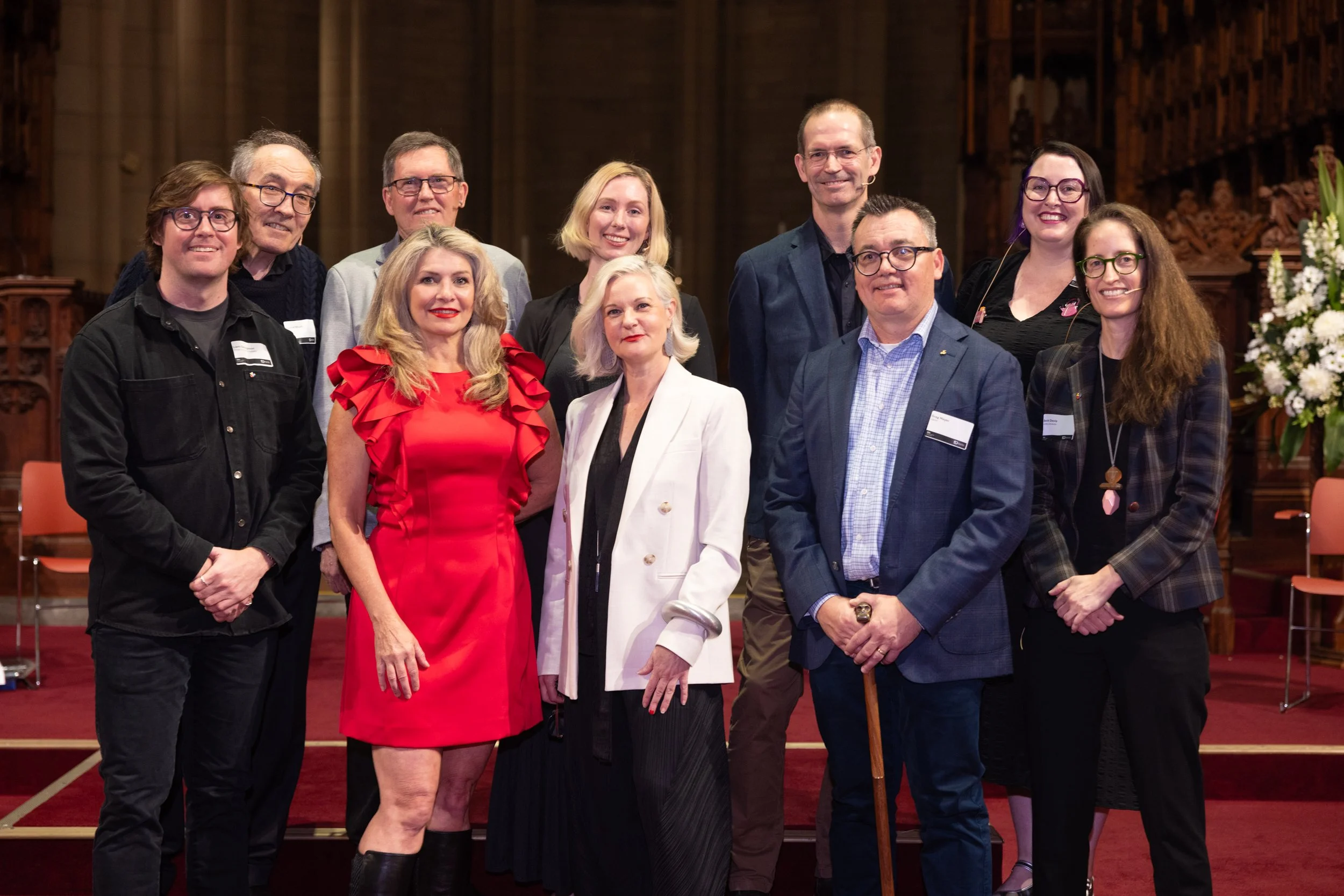
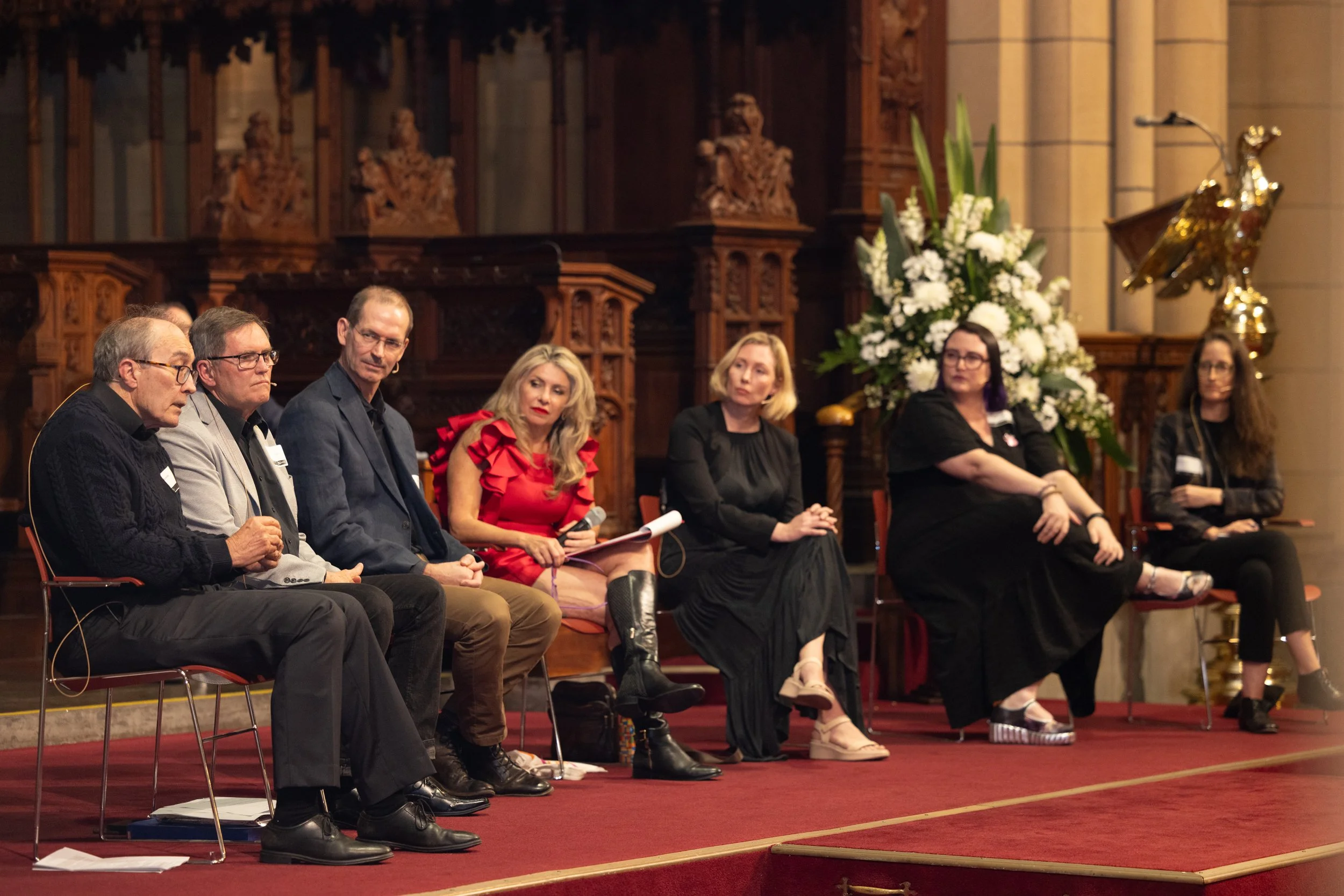
The evening’s panel conversation, moderated by Rebecca McIntosh, moved from celebration to a broader examination of the discipline: how has industrial design practice changed over five decades, what defines the profession today, and what capabilities will designers need for the next 50 years?
Looking back to the discipline’s formative years in Queensland, Robert Geddes FDIA, DIA Hall of Fame inductee and former QIT/QUT educator, joined Gordon Stuart FDIA, founder of ID4, Queensland’s first industrial design consultancy to recall a profession shaped by close relationships between designers, manufacturers and makers.
Drawing boards, foam and timber models, pattern makers and toolmakers were all part of everyday practice. Products were expected to last and to be repaired, while the first generation of consultants faced another challenge: convincing manufacturers that design itself was worth investing in. Geddes and Stuart also considered the comparatively low public profile of industrial design, noting that Queensland designers whose work now reaches global markets can remain largely unrecognised at home.
The conversation then shifted to contemporary practice. Jonathan Tighe, Head of Industrial Design at Intellidesign, and Sara Pontoppidan, Industrial Design Director at Clandestine Design Group and a Good Design Ambassador, described a profession whose influence now extends well beyond the development of physical products.
Tighe characterised the industrial designer as a ‘Swiss Army knife’ able to move between different roles, problems and parts of a business. Pontoppidan spoke about designers increasingly contributing to strategic and executive-level conversations, bridging the divide between what technology makes possible and what people can meaningfully use.
Artificial intelligence inevitably entered the discussion. Rather than seeing emerging technologies in opposition to established practice, Pontoppidan encouraged designers to remain optimistic about AI while continuing to value the foundational skills of the discipline, from sketching and model making to thinking through materials, form and making.
Looking ahead, Dr Beck Davis, Director of the Queensland College of Art and Design at Griffith University, and Dr Shayne Beaver, Lecturer in Industrial Design at QUT, considered what the next generation of designers will need to navigate an increasingly complex professional landscape.
Growing regulation, from right-to-repair requirements to Australia’s emerging approaches to AI makes an understanding of first principles and critical thinking increasingly important. Beaver addressed the particular challenge for educators: students must now develop critical design capabilities at the same time as they are learning and working with AI.
Davis pointed to the expanding territories in which designers are already working, including healthcare and biofabrication. Queensland’s future design capability, she suggested, will depend less on simply possessing the newest technologies than on being able to navigate the complex, cross-disciplinary collaboration required to translate science, research and technology into viable products and meaningful outcomes.
The discussion closed by looking another 50 years ahead. Asked what industrial design should have achieved by its centenary, the panel imagined a profession with designers represented on company boards, a design workforce that better reflects the diversity of the people it serves, and industrial design understood by the broader public with the same familiarity as architecture.
Together, those ambitions pointed to a larger theme running through the evening: industrial design has expanded enormously over its first 50 years in Queensland, but its next chapter will depend not only on what designers can do, but on how clearly the profession can articulate its value and its place in shaping Australia’s future.
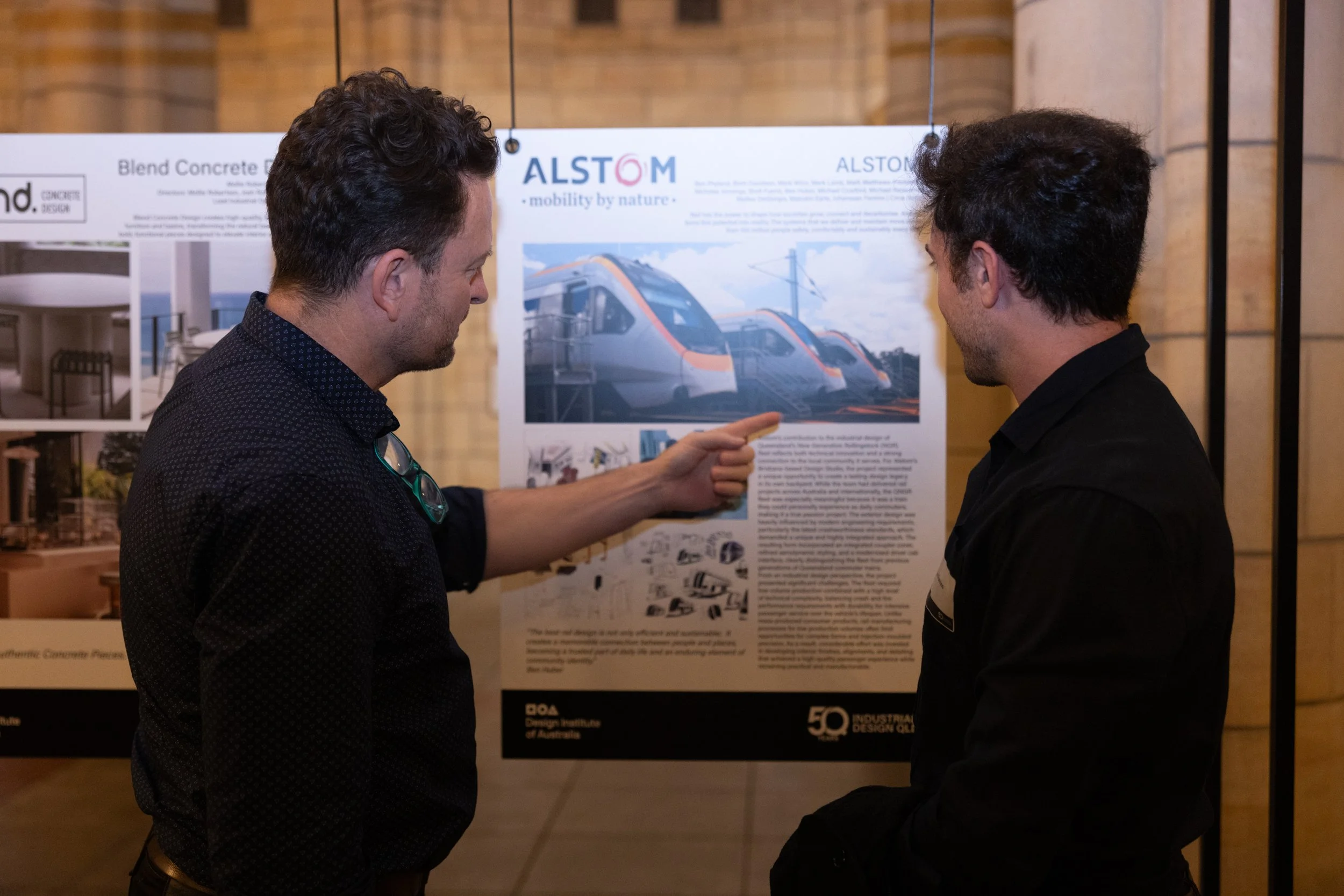
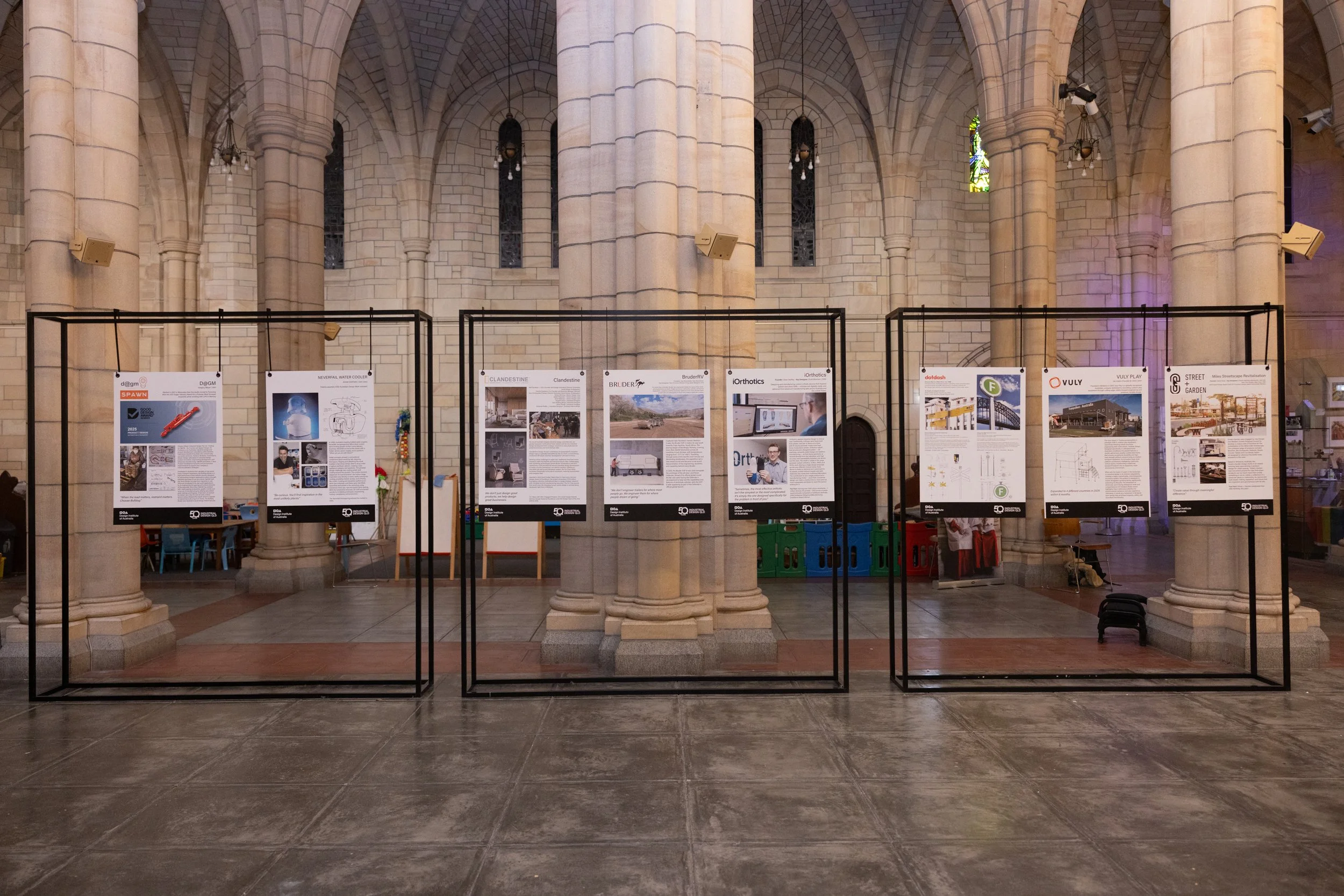
Our thanks go to St John’s Cathedral; our panellists; event sponsors Intellidesign and DotDash and DIA QLD Councillor Greg Meyer; Mel Finger, Lead Academic Engagement, School of Design, QUT; and all the design companies and practitioners featured in the display designed by DIA QLD Councillor Sophie Wyllie: Street + Garden, Blend Concrete Designs, Clandestine, Intelli, QUT/BMW, D@GM, Adam Shipway, Alstom, BRUDDERV, Eddie Codd, Vuly Play and ORTHODICS. And, of course, our thanks to everyone who contributed to making this remarkable evening possible.